
-
Upload photo
Re-upload
Accepting: jpg, png. Max file size: 10 MB
Serger vs Sewing Machine: Key Difference
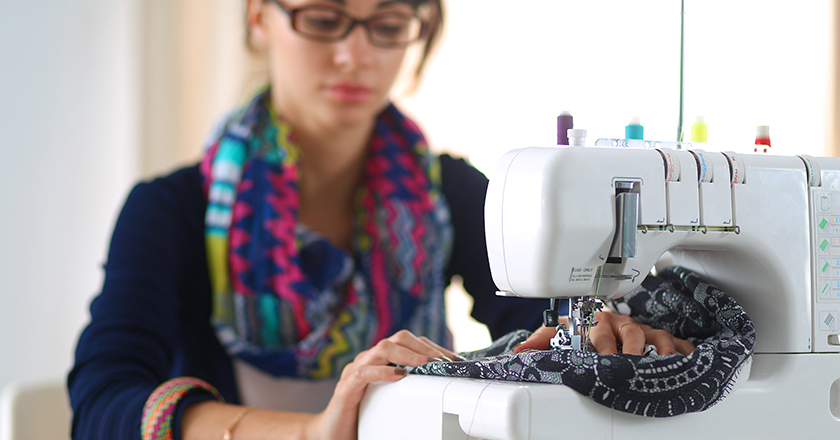
Image Source: Getty
When it comes to sewing, having the right tools is essential. Two of the most commonly used tools in the sewing world are sergers (also called overlocking machines) and sewing machines. While they are both used for stitching fabric, there are significant differences between the two. In this article, we will explore the differences and similarities between sergers and sewing machines, their functions, advantages, and limitations.
Key differences
Sergers and sewing machines may look similar at first glance, but they have distinct differences. The main difference lies in the type of stitch they produce. A serger is designed to create a professional finish by trimming the fabric edges and simultaneously stitching them. A sewing machine is more versatile and can create a variety of stitches, including straight, zigzag, and decorative stitches.
Another difference between sergers and sewing machines is the number of threads used. Sergers typically use multiple threads, ranging from two to five, to create a strong and durable stitch. This makes sergers ideal for sewing seams on garments, as well as finishing edges. Sewing machines, on the other hand, usually use one or two threads, making them suitable for a wider range of sewing projects.
Similar features
While sergers and sewing machines have differences, they also share some similarities. Both have needles and bobbins, which work together to create stitches. They also have a foot pedal or a start/stop button to control the stitching speed. Additionally, sergers and sewing machines can be used to sew different types of fabric, from lightweight cotton to heavy denim.
Another similarity between sergers and sewing machines is the ability to adjust stitch length and width, allowing for customization and precision in sewing. Both offer various stitch options, such as straight, zigzag, and stretch stitches. These features make sergers and sewing machines versatile tools for different sewing purposes.
Advantages of using a serger and a sewing machine
Sergers create a professional finish. Their trimming and stitching mechanism ensures that the fabric edges are neatly sealed, preventing fraying and enhancing the overall appearance of a project. This is especially important in garment construction, as it gives a polished and high-quality look.
Another advantage of using a serger is the speed at which it can sew. Sergers are designed for efficiency, allowing for quick and accurate sewing of seams. This is particularly beneficial when working on large sewing projects or when time is of the essence. Additionally, sergers are known for their durability and ability to create strong stitches, making them a reliable tool for long-lasting projects.
Meanwhile, sewing machines are versatile. They can create a wide variety of stitches, allowing users to explore different sewing techniques and styles. This versatility makes sewing machines suitable for a range of projects, from basic repairs to intricate embroidery.
Sewing machines can also control stitch length and width. This allows for customization and precision in sewing, ensuring that the desired results are achieved. Sewing machines also offer the option to adjust the tension, which is crucial for achieving balanced and even stitches. With the right accessories and attachments, sewing machines can expand their capabilities and tackle more complex sewing tasks.
Limitations of sergers and sewing machines
Sergers are not suitable for all types of sewing project. They are primarily used for sewing seams and finishing edges and may not be the best option to perform tasks such as making buttonholes or decorative stitching. They can also be more challenging to thread and set up compared to sewing machines.
Sewing machines, on the other hand, may not be able to achieve the same level of professional finish as sergers. While they can create a wide range of stitches, they are typically not as efficient in finishing edges or providing the same level of durability. They also require more manual control and precision, which can be a challenge for beginners or those who prefer a more automated sewing process.
Conclusion
Be it beginners or experienced sewists, sergers and sewing machines are both valuable tools for creating beautiful and professional-looking products. The choice between a serger and a sewing machine ultimately depends on specific sewing needs, preferences and types of project.
Find Quality Suppliers on Globalsources.com
If you need to find wholesale suppliers of sergers and sewing machines, GlobalSources.com is a great platform to explore. The website not only provides buyers with a comprehensive list of products and their details but also a list of suppliers that have been verified by third parties to ensure they are only dealing with legitimate companies.
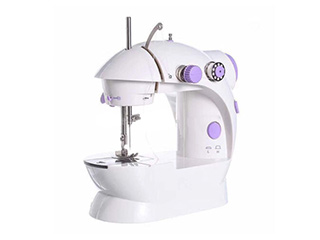
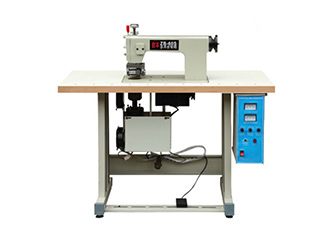
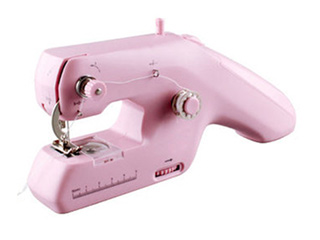
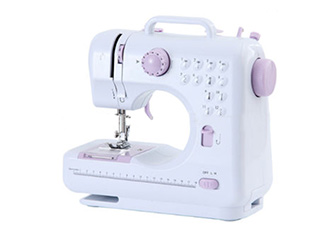
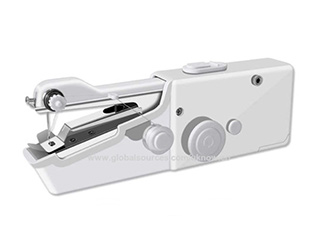
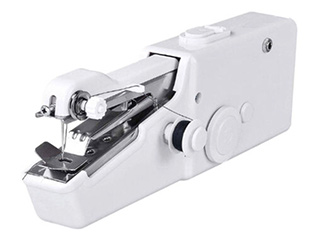
Here are some sewing machines you can source right now:
Frequently Asked Questions
Can a serger be used like a regular sewing machine?
Sergers can be used like regular sewing machines to some extent. While they are primarily used for finishing edges and creating professional-looking seams, they can also perform basic sewing functions such as straight stitching, zigzag stitching, and even some decorative stitches.
However, sergers lack certain features that traditional sewing machines have, such as the ability to sew buttonholes or do free-motion quilting. They also use multiple threads and knives, which can be challenging for beginners.
Are sergers better than sewing machines?
Sergers and sewing machines have different purposes and strengths, so it depends on your specific needs. Sergers excel at creating neat and durable seams, especially for stretchy fabrics. They are faster and easier to use for certain tasks like hemming pants.
Sewing machines are more versatile and can perform a wider range of functions, such as sewing buttonholes and doing free-motion quilting. They are also better suited for topstitching and projects that require a longer neck. Ultimately, it's best to have both machines available as they complement each other well.
Why use a serger over a sewing machine?
A serger and a sewing machine serve different purposes. While a sewing machine is used primarily for stitching fabric pieces together, a serger is designed to create neat and professional-looking edges by trimming, sewing, and finishing the fabric simultaneously.
Sergers are known for their ability to produce clean and secure seams, prevent fraying, and add a polished touch to garments. They are especially useful when working with stretchy fabrics or creating rolled hems. So, if you want to elevate your sewing with durable, finished edges, a serger is a valuable tool to consider.
Do you need a serger?
There are several reasons why you might need a serger for your sewing projects:
Neat and professional-looking edges: A serger is designed to create clean and finished edges by trimming, sewing, and overlocking the fabric simultaneously. This will give your product a polished and professional appearance.
Increased efficiency: Sergers are known for their speed and efficiency in sewing. They can quickly stitch and finish seams, saving time and effort.
Handling stretchy fabrics: Sergers excel at sewing stretchy fabrics like knits and jersey. They have differential feed mechanisms that help prevent stretching or puckering of the fabric, ensuring smooth and even seams.
Experimentation with sewing techniques: Having a serger opens up a world of possibilities for different sewing techniques, such as flatlock stitching, decorative stitches, and even creating decorative edges with specialty threads.
Source the latest products from verified suppliers via global sourcing platform, and subscribe to our magazines for more in-depth insights and product discovery.
Join the Smart China Sourcing Facebook Group
- Connect with other buyers
- Ask questions
- Get advice from experts