
-
Upload photo
Re-upload
Accepting: jpg, png. Max file size: 10 MB
What shipping term should I choose?
By Jacob Yount
What shipping term should I book with my supplier?
That’s a common question I see in Facebook groups and private-label forums.
Since I started my own private label journey and doing FBA, I spend time reading through these groups.
I like to learn lingo and know what questions others face.
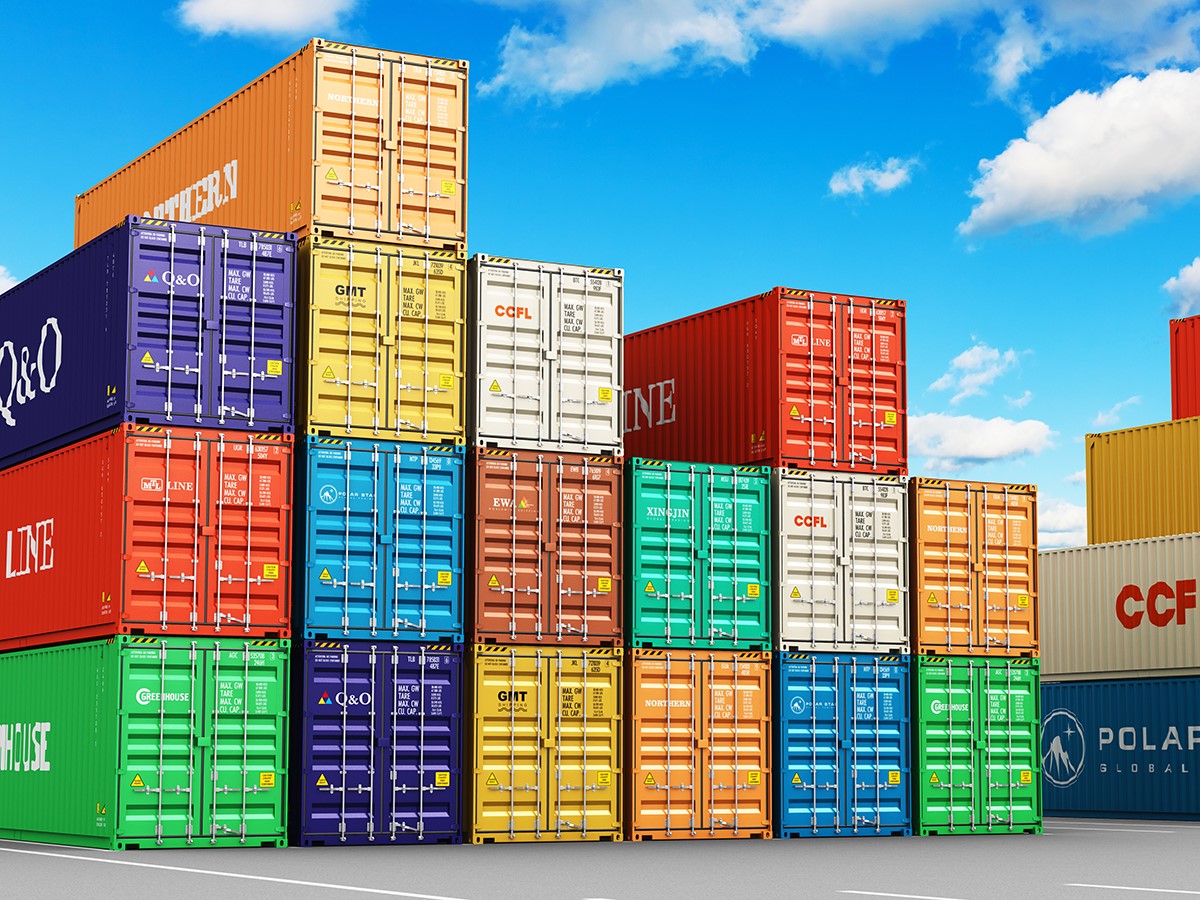
What shipping term should I book with my supplier?
Inexperienced buyers want to know if they should book FOB term or let the China supplier handle the shipment all the way to door.
To-door means booking the shipment so the supplier handles the delivery to the final delivery address.
DDP is the acronym for the to-door term.
It theoretically includes departure from China, freight, unloading, delivery and duties.
Nice and tidy delivered with a bow on top to their warehouse or Amazon direct…supposedly.
Helpful post with lots of stuff and links on shipping control
Be a Master of Your Own Point-A to Point-B
Before answering which term is best…
Besides, I think asking that question is missing the point.
Deep down importers want their vendors to book to door because they’re hoping that’s an aspect they can delegate.
They don’t want to be bogged down with the messy importing terms and freight forwarding companies.
They want an international shipment to flow like a Prime package.
Whether you’re starting out as a 1-man operation or a company of people, you need to be a master of your point A to point B.
Why would you want a non-incorporated business, that’s overseas, handling domestic clearance and transportation?
What if something is stuck at port and you need to get updates from a local person?
Sure if the supplier books the to-door, there’s still a freight forwarding office on the domestic side for you to communicate with.
BUT, that’s not a company YOU booked.
In other words, they ain’t working for you!
Communication has to go from you to the vendor to the China freight office, to the USA freight office and then back around again.
And truth be told, suppliers that book DDP aren’t going to do a whole lot of proactive work to make sure things run smoothly.
Even If You’re Just Getting Started
Start laying the groundwork NOW for fluid logistics. Even if you’re doing your first overseas manufacturing, start now.
So to answer the original question, BOOK FOB!
Don’t have a China or other overseas supplier handle your logistics.
It’s YOUR logistics!
Start a relationship with a freight forwarder.
Even if it’s trading emails explaining your business. Inform them of some of the types of services you expect. Read and digest their replies.
Whenever you receive shipping quotes, make a spreadsheet.
Show the cost for each of shipping item and all the words that shippers say that you don’t understand. If there’s a word you don’t know, google it or ask the freight forwarder…who you should be building a rapport with.
Know your Customs codes. Each item has a tariff number.
You and your freight forwarder can determine this together. Your supplier is liable to give the wrong number. A 22% duty makes a world of difference compared to 3%.
Be in the know to your own air freight rates.
Air freight always coincides with export packing. Make sure when doing an air shipment, you’ve trained your vendor to use packaging that air efficiently.
Logistics are a vital part to your project. If you want to scale your brand and company, you don’t want to leave these key processes and the knowledge that comes with it in the hands of your vendor.
Jacob Yount lived in China from 2001 to 2012, during which time he started JLmade. He is now based out of North Carolina in the US and his home office is still in Suzhou, China; manufacturing and exporting branded merchandise, promotional products and retail gifts for distributors worldwide. Contact Jacob at info@jlmade.com, or find him on his blog.
Source the latest products from verified suppliers via global sourcing platform, and subscribe to our magazines for more in-depth insights and product discovery.
Join the Smart China Sourcing Facebook Group
- Connect with other buyers
- Ask questions
- Get advice from experts