

-
Upload photo
Re-upload
Accepting: jpg, png. Max file size: 10 MB
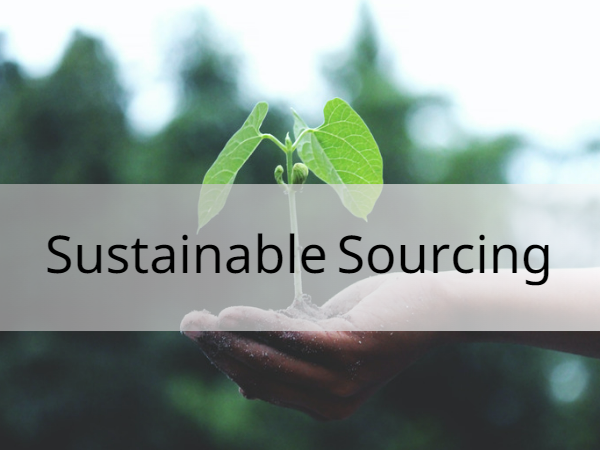
What is Sustainable Sourcing?
 Image source: Getty/pcess609
Sustainability is the practice of meeting our current needs without compromising the ability of future generations to meet their own needs.
EcoVadis, a company that has been providing global business sustainability ratings since 2007, gives this answer to the question “What is sustainable sourcing?” – Sustainable sourcing is the integration of social, ethical, and environmental performance factors into the process of selecting suppliers.
The International Organization for Standardization (ISO) defines sustainable procurement or sourcing in light of the United Nations Sustainable Development Goals (SDGs), officially known as the 2030 Agenda for Sustainable Development, which is a “shared blueprint for peace and prosperity for people and the planet, now and into the future.” ISO has standard 20400 that can be the starting point for guidance on sustainable sourcing. This standard supports the United Nations Sustainable Development Goals (SDG) for 2030.
4 Factors affecting Sustainable Sourcing
To contribute to sustainable sourcing in the B2B sphere and check your sustainability performance, there are several factors you should know that affect sustainable sourcing positively and negatively. According to the Sustainable Partnership Leadership Council, these include:
- Environmental – These affect the natural systems on which life on earth depends, now and in the future. Positive factors include resource optimization and negative factors are gas emissions, freshwater pollution, smog and water consumption, among others.
- Social – These affect the social systems on which communities depend. Positive factors include sourcing from suppliers who support human rights, workers’ rights, fair trade, anti-discrimination, right to collective bargaining and others. Negative factors include sourcing from suppliers with child labor, forced labor, and sourcing from conflict zones.
- Economic – These affect the health of markets on which commerce depends. Positive factors are innovation research/investment, fair dealings, transparency of communication, use of diverse suppliers, among others. Negative factors include dumping, patent misuse, misleading market claims, monopoly (seller collusion) and monopsony (buyer collusion).
- Sectoral – The sector in which an organization operates affects purchasing decisions. Sectors include corporate, local government, provincial government, national government, manufacturer, service provider, retailer and higher education.
The Difference Between Sustainable Sourcing and Ethical Sourcing
Sustainable sourcing is sometimes mentioned in tandem with ethical sourcing, but they are not the same thing.
Sustainable sourcing applies a holistic approach in selecting materials, products and services from suppliers so that environmental, ethical, social – and not just economic – concerns are taken into consideration. It takes on a long-term view which includes the conservation of resources and empowerment of supply chain actors, according to Pierre Courtemanche.
For the ISO, sustainable procurement is integrating the UN’s sustainability framework and goals in procurement policies and practices, including supply chains, so that organizations can manage risks (including opportunities) for sustainable environmental, social and economic development.
Ethical sourcing, meanwhile, is a component of sustainable sourcing. While ethical sourcing can be considered an art of selecting suppliers based on how ethically and responsibly they have produced their products or services, sustainable sourcing is the process of looking for a sustainable solution to keep up with the demand for a certain product.
Sedex, a UK-based organization that offers ethical trade consultancy and assessment services worldwide, provides this definition: “Ethically sourced means that products and services from each point of a business’s supply chain are obtained in an ethical way, which includes upholding rights, decent working conditions, health and safety, good business ethics and more… Sourcing ethically means that when businesses purchase products from suppliers, they consider the impacts those products have on the people and communities who create them.”
Business and Sustainable Sourcing
When the member-states of the United Nations agreed in 2015 to protect Planet Earth and work together to achieve their vision of a world without extreme poverty, inequality and injustice through the Sustainable Development Goals for 2030, they did so knowing that since this requires “unprecedented effort,” all sectors must contribute. And the UN believes that the business sector has “a very important role to play” in the process of achieving sustainable development.
Regardless of their industry or size, all companies can contribute to the SDGs. The UN challenges corporations to do business responsibly – with sustainable sourcing being a good starting point – and solve social problems through innovation and collaboration.
People Also Read
Top 20 Couple Outfit Ideas: Matching Fashion for Lovebirds
How to Start Selling Wholesale Clothing Online
Mullet Halloween Costume Ideas
DDP vs. FOB: What's the Difference?
EXW vs. FOB: What's the Difference?
CIF vs. FOB: What's the Difference
Interior Door Hardware Trends 2023: A Comprehensive Look at the Latest
Top 20 Lesbian Halloween Costume Ideas - Enjoy the LGBTQ+ Spirit during the Halloween Party!
Source the latest products from verified suppliers via global sourcing platform, and subscribe to our magazines for more in-depth insights and product discovery.
Join the Smart China Sourcing Facebook Group
- Connect with other buyers
- Ask questions
- Get advice from experts