


-
Upload photo
Re-upload
Accepting: jpg, png. Max file size: 10 MB
Oxygen concentrator sourcing checklist
by Stef Calimlim (Content Editor)
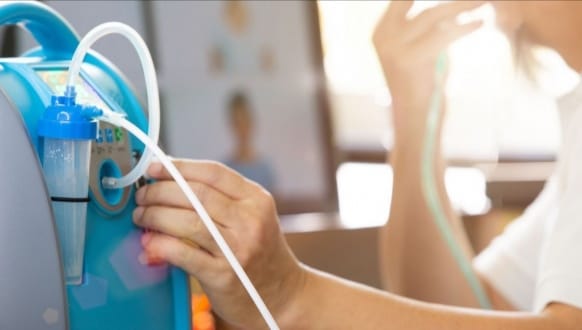
Photo from Getty Images
The demand for medical oxygen continues to rise as the second wave of COVID -19 persists and keeps battering nations across the globe. With medical oxygen being a key treatment for the coronavirus, its timely availability is critical in saving patients’ lives. However, oxygen supply shortages have been plaguing hospitals and other healthcare facilities globally. Oxygen concentrators have since been considered as a suitable alternative to the more commonly used tanks and cylinders.
Oxygen concentrators basically work the same way as an oxygen tank or cylinder in supplying oxygen via nasal tubes and masks. The main difference, which makes oxygen concentrators a preferred choice among consumers, is the device’s ability to produce oxygen anytime as compared with tanks and cylinders which need to be refilled. Other key advantages of oxygen concentrators are their portability, versatility and low maintenance cost.
How to choose the right oxygen concentrator
Not all oxygen concentrators are created equal. Before adding these medical must-haves to your inventory, here are the points you need to keep in mind so you can make an informed sourcing decision:
-
What certifications & safety standards should you look out for?
Depending on where you want the oxygen concentrators imported, different countries have different importation and distribution regulations for these products. That’s why, as a buyer, it’s important to keep abreast of your country’s regulatory systems.
In general, however, the minimum specifications for quality and safety must comply with the ISO standards such as ISO 13485, which ensures high-quality production of medical devices, ISO 10083, which specifies requirements for the design and installation of oxygen concentrator supply systems, and IEC 60601-1 or its equivalent medical electrical equipment standard. Other
In the US, the Food & Drug Administration (FDA) strictly requires a doctor’s prescription before one can use an oxygen concentrator. The country’s Federal Aviation Administration (FAA), meanwhile, approves oxygen concentrators for use by airlines. In the EU, a common mark is CE, which is a mandatory conformity marking indicating that products meet European health, safety, and environmental protection standards.
-
What oxygen concentration value and flow rate should you consider?
Oxygen concentration is the value of pure oxygen content that an oxygen concentrator is able to deliver to a patient after the air is compressed and filtered via the device. Most units that are out in the market today have the capability of producing concentration values between 82 and 96 percent, depending on the device’s filtration system design and features. High-powered variants usually provide higher oxygen concentrations compared with their more lightweight and compact counterparts.
Another factor to consider when sourcing oxygen concentrators is the flow rate capability, which indicates the travel rate of oxygen from the machine to the patient. Typical selections range from 2 to 10 liters per minute. Some units with high flow rates have the capability to support two patients simultaneously. The World Health Organization has released a technical specification report, stating that oxygen concentrators must have at least one built-in flowmeter with flow-rate control, and that those for pediatric use must be able to provide a minimum flow rate of 0.5 liters per minute. It further states that a device must not provide a flow rate greater than its maximum rated flow rate.
-
What kind of portability do you require?
Does your market require oxygen concentrators that have wheels? If so, consider sourcing those that come with brakes or stoppers, and have retractable handles. If you are looking to source more lightweight and smaller variants, consider sourcing those with soft-grip handles and that include carry-on cases with straps.
-
What other features should you look into?
The World Health Organization also indicated in its report on oxygen concentrators that the monitor should indicate when the concentration is less than 82 percent. Alarms should also be incorporated to alert the user in conditions such as in the absence of flow, high and low pressure, low battery, high temperature and power supply failure. Buyers should also ensure that the materials used are not easily bent or broken and resistant to dust, and have user-removable filters for easy cleaning and less than 50dB(A) noise levels.
-
What are the basic maintenance requirements?
Suppose your customers ask how easy it is to maintain an oxygen concentrator: you should be able to provide them with detailed information on the life span of the device, and how to clean and maintain it. Some manufacturers offer products that only require a user to change filters every two or three years, others provide product warranties, and then there are those that use materials and components that are easy to find in the market when replacement is needed. Your preferences will heavily depend on your specific market’s requirements, but these basic points will help you make your sourcing experience easier and hassle-free.
Source the latest products from verified suppliers via global sourcing platform, and subscribe to our magazines for more in-depth insights and product discovery.
Join the Smart China Sourcing Facebook Group
- Connect with other buyers
- Ask questions
- Get advice from experts