



-
Upload photo
Re-upload
Accepting: jpg, png. Max file size: 10 MB
Going for recyclable plastic parts
by Cecile de Veyra (Managing Editor)
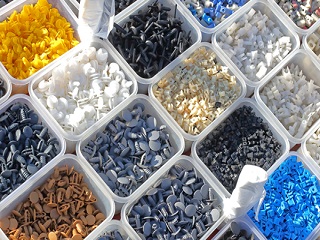
Plastic plays a key role in the production of electronic devices and equipment. As it does not conduct electricity, it is the safe material to use for insulation, housings, circuit boards and PCB hardware. Yet, certain advancements in technology have imbued plastic with electrical properties, extending its application to shielding electronic components. This versatility, in addition to the significant weight reduction and miniaturization offered, underscores plastic’s importance in electronics and efforts to find better methods to extract it from end-of-life devices for recycling.
Engineering plastic, which is widely used in the electronics industry, has a huge market. In a report from Market Data Forecast, its value will reach $100 billion by the end of 2021 and increase at 8.3 percent CAGR to 2026. By the end of the period, the market will be in the scale of $135 billion.
The world’s biggest production base for plastic parts, China is ensuring output for use in electronic devices is made of engineering plastic or thermoplastic. This material, unlike insoluble and nonmelting thermosets, is recyclable.
In addition, domestic manufacturers have gradually shifted focus to midrange and high-end plastic parts for various applications in recent years. To enhance competitiveness, they continue to invest in R&D, aiming to come up with their own modified plastic, plastic alloy and compounded plastic materials. This is to meet specific performance requirements in their key market, the electronics industry, and automotive, medical, communications, agricultural and aviation applications.
Modified or compounded plastic on the market has additives or fillers, which may be glass, carbon or aramid fiber. The last is better known as Kevlar. Ceramic, chalk, glass microspheres and talcum are also used. In fillers, which are introduced to reduce friction and wear, the choices include graphite, polyethylene, molybdenum sulphide and PTFE.
Plastic alloy is the resultant material from a compound of two or more polymers. PC/ABS, PBT, PET, PE, ASA or SMA, ABS/nylon, PPE/PS, PET/PMMA or polysulfone, PBT/ABS and PBT/PET/elastomer are some of the available plastic blends worldwide.
In manufacturing processes, suppliers of plastic parts in China have adopted ultrasonic plasticization injection molding and microlamination technologies to complement their injection molding and extrusion know-how. This is to ensure high quality and precision in micro parts.
Source the latest products from verified suppliers via global sourcing platform, and subscribe to our magazines for more in-depth insights and product discovery.
Join the Smart China Sourcing Facebook Group
- Connect with other buyers
- Ask questions
- Get advice from experts