
-
Upload photo
Re-upload
Accepting: jpg, png. Max file size: 10 MB
Expert talk part 1, John Niggl: Skip samples, miss out on valuable insights (Q&A)
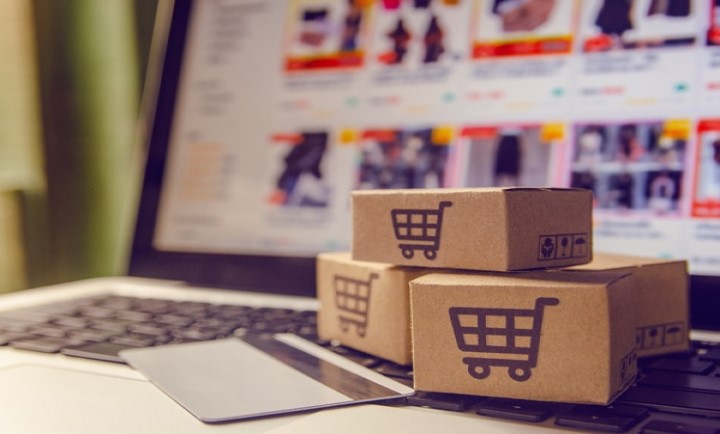
Buy product samples. We can’t stress that enough.
But enough of us. Time to hear from the experts.
To do this, we asked sourcing experts and practitioners for their take on product samples and how these can make or break your reputation as a legitimate and reliable supplier.
First up in the series is John Niggl, Marketing & Communications Manager at InTouch Services Ltd.
John has been working with ecommerce sellers, and their suppliers, in a QC capacity since 2013. He helps importers find and vet the right suppliers for their products, communicate clearly their requirements and verify product quality before shipping.
He and his team collaborate with other authorities in the ecommerce space to regularly write about topics that affect ecommerce sellers. They give sellers actionable advice for succeeding in ecommerce, from meeting FBA packaging standards to lowering their cost of product returns.
GS: Let’s get straight to it. What are the advantages of buying product samples?
JN: Product samples help buyers understand whether a potential supplier can meet their product expectations. It’s one thing to browse a supplier’s product listing page and view specifications and photos online. It’s another thing altogether to hold a physical product sample in your hands.
In the former case, you’re putting a lot of trust in what the supplier claims they can deliver. And in the latter case, you’re actually able to objectively verify what they’re capable of through visual inspection, measuring and even quantitatively testing the sample. This leaves you with much more reliable insight to qualify a supplier before paying a deposit and placing an order with them.
GS: Talking specifically about China, is it easy to buy product samples there?
JN: It's generally not hard to buy product samples from China. Many suppliers are willing to provide a sample to most anyone who's willing to pay the cost to manufacture and ship one.
The exception is buyers who want their supplier to develop a new product or make significant design changes to an existing product. These buyers will often find potential suppliers unwilling to invest in developing the necessary tooling or other costs related to producing samples unless they feel the buyer is committed to bringing them a certain minimum volume of business.
GS: But can buyers skip this stage in the sourcing process?
JN: Buyers who skip the product sampling stage do so at their own peril. The benefit that comes from being able to “try before you buy”—review and approve a sample before committing to an order—is simply too great.
The alternative, saving a bit of time and money upfront by forgoing this step, comes at a comparatively massive cost of higher supplier risk. You may face issues in turn that render your product unsellable several months and tens or hundreds of thousands of dollars later that product sampling could have helped you avoid.
GS: Global Sources lets buyers buy product samples instantly. What's the advantage of such a service?
JN: Being able to buy product samples instantly can help buyers save time they might otherwise spend liaising with supplier contacts to request samples.
Since buyers can easily browse products by category and see product specs and sample pricing at a glance, they can order more samples in less time. This can shorten their supplier evaluation process and get them working with the right suppliers faster.
Click to buy product samples instantly and securely.
GS: Are product samples just for custom designs?
JN: Product sampling is especially helpful for custom designs because you're asking a supplier to make changes to their existing processes. And changes require change management and careful verification to minimize the risk of problems.
That's not to say that product sampling isn't necessary for existing designs or white label products. There's still information about these products that can't be verified without obtaining a sample. For example, metal tumblers are a popular ecommerce item with plenty of features worth checking during the sampling stage such as:
- Material thickness – Is the container durable, or will the tumbler dent or break if dropped from a reasonable height?
- Seal – Is the o ring seal sufficient, or does the tumbler leak when filled and tipped upside down?
- Rust resistance – Is the container treated to prevent corrosion?
These and other features are likely to be appear in a supplier's product listing. But how sure can you be of their validity without seeing the product for yourself?
GS: How can a buyer protect himself when buying samples from China?
I'm not a China legal or IP expert. But I have referred importers to legal professionals who regularly deal with issues of IP theft in China. One of the best ways a buyer can protect themselves when buying samples from China is to have clear and legally binding agreements drafted by a local lawyer in China before proceeding with mass production.
Examples like product development agreements and non-disclosure, non-use, non-circumvention (NNN) agreements help to establish ownership over IP, tooling and related designs early in a buyer's relationship with a factory. These serve to discourage suppliers from creating copycat products or otherwise infringing on the buyer's IP rights. And they can help give the buyer leverage in case there's a related dispute with their supplier.
GS: A buyer gets samples from three or more manufacturers. All samples meet his requirements and he's satisfied with quality. How does the buyer select the supplier he should partner with?
JN: A buyer that has received more or less identical samples from multiple suppliers is ready to move on to the next step of supplier evaluation. Besides cost, which buyers more often tend to obsess over, there are a few ways most buyers tend to proceed:
- A questionnaire
This is an essential next step for buyers that haven't already sent a questionnaire to potential suppliers before obtaining a product sample.
Most smaller ecommerce sellers, especially those just starting out, will rely on suppliers' responses to key qualifying questions as the main part of their selection process. These questions typically relate to minimum order quantities (MOQs), pricing, shipping and payment terms and other details.
Although not the most reliable way to evaluate suppliers, questionnaires cost you nothing. And a questionnaire can tell you a lot about what it will be like to work and communicate with a supplier, which is vital to consider during the selection process.
- An informal audit / factory visit
A step beyond a simple questionnaire, visiting suppliers' facilities can be very illuminating. Visiting the supplier gives you the opportunity to actually meet the people you'll be working with.
Not sure if a supplier truly owns and operates a factory or is just a vendor operating out of an office? Visiting their facility can be a reliable way to find out. Taking a tour of the facility can also clue you in to any obvious deficiencies you might not otherwise know, such as disorganization or poor internal quality control procedures.
The main drawback to visiting suppliers is the cost to you, not only in financial terms, but also the time spent and inconvenience of having to travel overseas. It can also be hard for most buyers without a quality or auditing background to adequately assess a supplier.
A formal audit performed by a professional and independent third party is generally regarded as the most reliable way to qualify potential suppliers. Though they may call them by different names, many QC companies offer general quality audits.
These audits give buyers insight into several aspects of their business, including manufacturing capacity, equipment maintenance, social compliance, financial records and more. The auditor typically submits a detailed report of their findings with photos to the buyer at the conclusion of the audit or within a few working days.
The main disadvantage of a formal audit is cost. QC firms normally charge anywhere from a few to several hundred U.S. dollars for each audit. This can be cost prohibitive for some buyers, depending on their product type and expected order quantities.
GS: Can you share a story of product sampling gone wrong? What can buyers do to avoid this?
JN: I was working with a buyer some years ago on a new type of sports shoe they had developed with a Chinese manufacturer. The buyer requested samples not only of the product, but also of the retail packaging, prior to beginning mass production. He hired our company to visit the factory at various production stages to inspect the goods.
As I was responsible for managing the requirements that would later be used during our inspections, he copied me in relevant emails to his supplier contact. They went back and forth about the samples for months. The packaging was too glossy, the sizing wasn't quite right and there was paint on some shoe samples where there shouldn't have been paint (the shoes were made from EVA, a rubber-like material).
Once the buyer received samples he was happy with, he gave the supplier the “green light” to start mass production. Everything seemed to be going smoothly from that point. But we realized there was a problem when we sent our inspectors to actually check the goods.
The buyer had supposedly approved samples for reference during production and inspection. But when we asked factory staff for the approved samples they gave us ones that didn't match the buyer's requirements. The result was quality issues and other nonconformities due to workers having modeled production after the wrong set of samples.
The lesson here is that all the effort to request, obtain, review, critique and approve product samples goes to waste if the samples aren't carefully handled to ensure they're in the right hands. In this case, the buyer could have avoided problems by sending two sets of samples:
- One to their supplier, who could be assured production staff were referencing the right samples during production; and
- One to the inspection team, who could have been assured they were comparing the actual approved samples with production samples
Signing and dating samples is also a best practice to avoid confusion on the production line and during inspection. This minimizes any chances of a supplier mistakenly using outdated samples or tampering with a sample they provide an inspector for reference.
GS: How can you/your company help buyers with product samples?
Asia Quality Focus (AQF), formerly InTouch Manufacturing Services, helps buyers with multiple aspects of product sampling, including:
- Sample review – we can receive a sample from the buyer or their supplier and review it in one of our offices. This is typically a low-cost solution for approving pre-production samples as part of the buyer's supplier evaluation process. And it often saves time by reducing international shipping.
- Laboratory testing – we help buyers that need more technical or certified testing for their products by testing their products in one of our accredited partner labs.
- Sample picking – we can visit a supplier's facility on behalf of the buyer and pull a random sample from production for their review.
Source the latest products from verified suppliers via global sourcing platform, and subscribe to our magazines for more in-depth insights and product discovery.
Join the Smart China Sourcing Facebook Group
- Connect with other buyers
- Ask questions
- Get advice from experts