


-
Upload photo
Re-upload
Accepting: jpg, png. Max file size: 10 MB
Easiest Cell Phones for Seniors
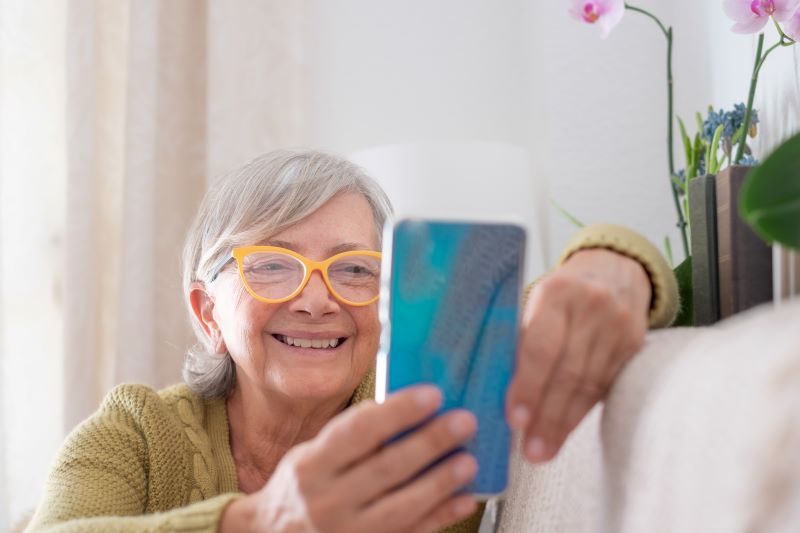
Image source: Lucigerma/Getty
Cell phones have become essential to our lives, connecting us with friends, family, and the world. However, for senior citizens, using a regular cell phone can be challenging due to their unfamiliarity with technology and the complexity of modern smartphones.
That's where cell phones designed specifically for seniors come in. These phones are tailored to meet the needs and preferences of older adults, offering simplicity, ease of use, and features that enhance their safety and independence.
Scientific research has also shown that cell phones can positively impact their well-being and quality of life. The use of cell phones can help a senior citizen experience increased social connectedness and reduce feelings of isolation not just through voice calls but also through video-calling and photo-sharing via smartphones.
Cell phones can also provide a sense of security and peace of mind to both seniors and family members or caregivers. These gadgets can help the elderly feel more confident when living independently or away from relatives if they know that their cell phone has a help or emergency button that they can press in case of an emergency.
Furthermore, research has shown that using cell phones can help seniors stay mentally sharp and engaged. Activities such as sending text messages, playing brain-training games, and accessing information online stimulate cognitive functioning, memory, and problem-solving skills. Thus, cell phones tailored for seniors can serve as valuable tools for promoting active aging and mental stimulation.
What makes a cell phone for seniors different from ordinary cell phones?
Cell phones designed for senior citizens differ from ordinary cell phones in various ways. Firstly, they prioritize simplicity and ease of use over advanced features and complex functionalities. Senior phones focus on the core functions of calling and messaging, eliminating unnecessary complexities that can confuse older adults.
Additionally, senior phones often incorporate safety features that provide peace of mind to both the users and their loved ones. These features include emergency buttons, which allow seniors to quickly contact emergency services or designated contacts in case of an emergency. Some senior phones also offer GPS tracking, enabling caregivers to locate and assist seniors if needed.
Most important features of a good cell phone for seniors
When it comes to choosing the best cell phone for seniors, there are a few must-have features that should be considered.
Large keypad buttons: Firstly, large, well-spaced buttons on touchscreens or traditional keypads will make it easy for seniors, especially those with dexterity issues or arthritis, to navigate menus, dial numbers and type out messages.
Good display: A bright display with adjustable font sizes ensures that seniors can easily read text messages, caller IDs, and menus without straining their eyes. The display should also have good visibility in various lighting conditions, including outdoors. This is especially important since many older people are visually impaired.
Quality speakers: Another essential feature is quality speakers with an good sound quality even at higher volumes and adjustable volume levels. This is particularly important for seniors who are hearing impaired, as it ensures that they can have clear conversations without missing important details. Additionally, a cell phone with hearing aid compatibility is highly beneficial for those who use hearing aids.
Long battery life: A long-lasting battery life is another crucial feature for senior-friendly cell phones. Seniors may forget to charge their devices frequently, so a phone with a battery that can last for extended periods without needing frequent recharging is ideal. This prevents situations where seniors are left without a functional phone when they need it the most.
Current trends in cell phones for seniors
The are a couple of exciting trends emerging in the field of cell phones for seniors.
Health monitoring: One of the emerging trends is the integration of health monitoring capabilities into senior-friendly phones. These phones will be equipped with sensors and software that can monitor vital signs, track physical activity, and provide health-related reminders. This will enable seniors to manage their health more effectively, stay active, and receive timely reminders for medication intake and doctor's appointments.
Voice assistants: Another trend is the incorporation of voice assistants specifically designed to assist seniors. These voice assistants will be programmed to understand and respond to senior-specific questions and commands, making it easier for older adults to interact with their phones without the need for typing or navigating through menus.
Conclusion
In conclusion, cell phones designed for senior citizens provide a valuable tool for connecting older adults with the digital world while addressing their unique needs and preferences. Thanks to their simplicity, ease of use, and safety features, these phones offer seniors a sense of independence, social connectedness, and peace of mind. As the market for senior-friendly cell phones continues to grow, we can expect to see even more innovative features and functionalities that enhance the lives of our beloved seniors.
Product Gallery
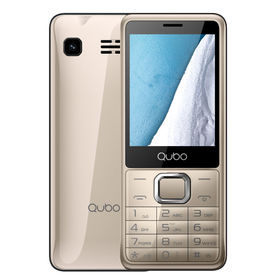
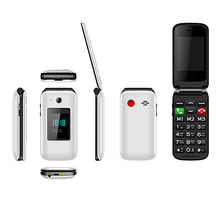
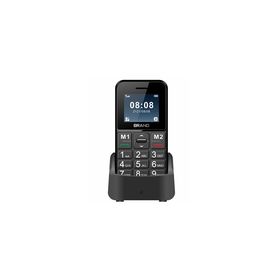
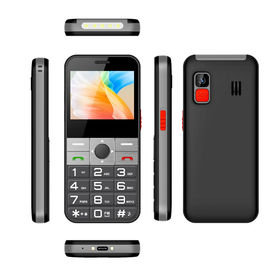
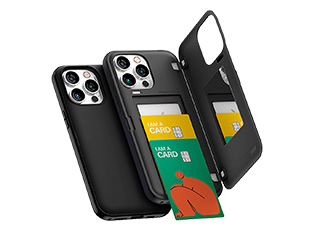
Here is a gallery of products chosen by our market analyst as representing trends in cell phones for seniors from our verified suppliers on Global Sources:
Frequently asked questions about cell phones for seniors
What are the 8 easiest phones for seniors in 2023 (Pros and cons)?
Here are eight of the easiest cell phones for seniors along with their pros and cons, according to tech and senior living experts:
1. Jitterbug Flip2:
- Pros: Simple menus, large tactile buttons, dedicated speakerphone and power buttons, urgent response feature, Amazon Alexa integration for voice control.
- Cons: Additional monthly fee for features like urgent response and medication reminders.
2. Jitterbug Smart2/Smart3:
- Pros: Simple menus, voice commands, hearing-aid compatible.
- Cons: Must have an activated phone plan with a specific carrier.
3. Apple iPhone 14 Pro Max:
- Pros: Advanced features, high-quality camera, powerful performance.
- Cons: Potentially complex interface, may require technical knowledge.
4. Samsung Galaxy S23 Ultra:
- Pros: Advanced features, high-quality display, powerful performance.
- Cons: Potentially complex interface, may require technical knowledge.
5. Samsung Galaxy A14 5G:
- Pros: 6.6in display, 5G connectivity, 41 hours talk time, 16 days standby time
- Cons: Potentially complex interface, may require technical knowledge.
6. Motorola Moto G Power 5G (2023):
- Pros: 6.5in display Affordable option, long battery life.
- Cons: Potentially complex interface, may require technical knowledge.
7. Apple iPhone SE (2022):
- Pros: Compact size, 4in HD display, built-in voice assistant, wireless charging.
- Cons: Potentially complex interface, may require technical knowledge.
8. Nokia 2780 Flip:
- Pros: Easy to grip, lightweight, secondary display support, hearing aid compatibility
- Cons: Not a smartphone, low internal storage, small display, low battery capacity.
What is the most user-friendly cell phone for seniors?
There’s no one simple answer to this question, but a solid case can be made for the Jitterbug Smart2. It is specifically designed for seniors who may find smartphones too overwhelming. The Jitterbug Smart2 has a user-friendly interface and basic smartphone features like internet access, email, and a camera. It also comes with a touchscreen display, making it easy to navigate and use. Additionally, the Jitterbug Smart2 offers a variety of health and safety plans, including medical advice, prescriptions, and a personal operator for assistance.
What is the simplest smartphone for seniors?
The Jitterbug Smart3 is likely the simplest smartphone for seniors to use, according to The Senior List. It has a user-friendly interface and basic smartphone features. It has a large screen and a straightforward interface. However, it has slow processing power and poor volume quality.
What is a good smartphone for a first-time user?
A good smartphone for a first-time user would be one that offers simplicity and ease of use. Some options to consider include the Samsung Galaxy A51, iPhone SE (2020), Google Pixel 4, Alcatel GO FLIP V, and LG Stylo 5. These phones are known for their user-friendly interfaces, basic features, and affordable prices.
Motorola G-Series smartphones are also a good choice, as they offer both advanced features and more basic options for texting and calling.
Is there a cell phone that only makes calls?
Yes, there are cell phones that are designed solely for making calls. One example is the Light Phone, which was born out of the Google 30 Weeks incubator – a collaboration between Joe Hollier and Kaiwei Tang – and a Kickstarter campaign. It is a minimalist device that focuses solely on making and receiving calls. It does not have features like texting, internet browsing, or apps. The Light Phone is about the size of a credit card and has a touch module for dialing numbers and viewing incoming calls. It has a long battery life, lasting up to 20 days.
Other basic cell phones are the Nokia 2780 Flip, Samsung Knack U310 and LG Exalt.
Why are simple phones harder to find?
Simple phones, also known as "dumbphones," are harder to find compared to smartphones because the demand for smartphones has significantly increased over the years. Smartphones offer advanced features, such as internet connectivity, apps, and multimedia capabilities, making them more versatile and appealing to a wider range of users. As a result, manufacturers and retailers have focused their efforts on producing and promoting smartphones to meet the growing demand. However, there is still a niche market for simple phones, particularly among individuals seeking a more basic and minimalist communication device.
What is the easiest cell phone for an elderly person to use?
There are several cell phones that can be considered easiest for senior citizens to use.
The Senior List mentions the Jitterbug Flip2 as the “easiest overall” for seniors, with large buttons, and dedicated buttons for speakerphone, power and urgent response.
There is also Alcatel’s Go Flip 4, with its pros being a large internal display, intuitive buttons, a loud and high-quality speaker, and two-week battery life.
Yet another is the RAZ Memory Cell Phone, which is designed for people with memory loss, dementia, and Alzheimer’s. It has a simple, picture-based menu, and can be controlled through an online portal by a caregiver.
In addition to these mentioned brands, there are models available from other companies and manufacturers with features just like these phones.
Source the latest products from verified suppliers via global sourcing platform, and subscribe to our magazines for more in-depth insights and product discovery.
Join the Smart China Sourcing Facebook Group
- Connect with other buyers
- Ask questions
- Get advice from experts
The Related News
![]()
![]()
![]()
![]()
Serger vs Sewing Machine: Key Difference
2023/09/08