-
Upload photo
Re-upload
Accepting: jpg, png. Max file size: 10 MB
DDP vs. FOB: What's the Difference?
When engaging in global commerce, it is essential for purchasers and vendors to have a thorough grasp of their obligations and duties when transporting merchandise. To ensure smooth transactions, businesses rely on Incoterms (International Commercial Terms), a standardized trade term set by the International Chamber of Commerce (ICC). Among these Incoterms, DDP (Delivered Duty Paid) and FOB (Free on Board) are two commonly used terms that dictate the roles of each party in a transaction. This article aims to comprehensively compare DDP and FOB to help businesses make informed decisions when engaging in global trade.
Table of Contents
DDP: Delivered Duty Paid
FOB: Free on Board
Comparing DDP and FOB
Buying Wholesale Products on GlobalSources.com
FAQs
DDP: Delivered Duty Paid
DDP is a trade term that places the maximum responsibility on the seller. With DDP stipulations, the seller assumes all risks and expenses associated with transporting the goods to the purchaser's appointed place of destination. The shipment necessitates clearance of exports and imports, along with the payment of relevant customs duties, taxes and any other applicable fees. When the goods reach the buyer's address, the responsibility for any loss or damage entirely moves from the seller to the purchaser.
Key features of DDP
- DDP is applicable to all modes of transport, that is, air, sea, road, rail and multimodal.
- The vendor must assume the responsibility for both shipping and costs related to the safe delivery of products to the buyer's assigned spot.
- It is the seller's duty to obtain customs clearance, cover the payment of any taxes and/or customs fees and other fees connected to the delivery.
- The risk of loss or damage transfers from seller to buyer upon delivery at the buyer's specified location.
Top Picks of Freight Services
FOB: Free on Board
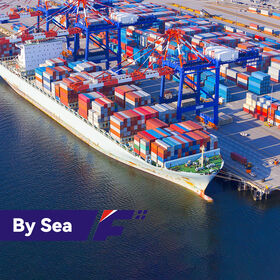
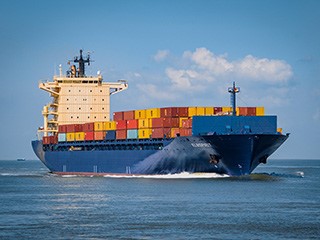
FOB applies exclusively to sea and inland waterway transport. Under its terms, the seller is responsible for delivering the goods to a specified port and loading them onto a designated vessel chosen by the buyer. After loading the items onto the ship, the responsibility for potential losses or harm is now passed on to the purchaser. All expenses associated with conveying the products to their eventual destination, including transport fees, insurance costs and any other extra charges, must now be paid by the buyer.
Key features of FOB
- FOB is limited to sea and inland waterway modes of transport.
- It is the seller’s responsibility to deliver goods to a specified port and load them onto a designated vessel.
- Once goods are loaded onto the ship, the risk of loss or damage transfers from seller to purchaser.
- The buyer is responsible for all costs incurred in transporting the goods to their final destination, including delivery and insurance, as well as other charges throughout the journey.
Comparing DDP and FOB
While both DDP and FOB dictate the responsibilities of buyers and sellers during international trade transactions, there are some key differences between them. They represent different points of transfer of responsibility and liability between the buyer and the seller. Here's a breakdown of the key differences between DDP and FOB:
1. Definition
- DDP: The seller is responsible for the delivery to the customer at the place of destination where import has been authorized, as well as all risks and costs, including duties, taxes and customs clearance.
- FOB: The seller's liability ends when the goods have been loaded on board a vessel at the named port of shipment. From there, the buyer assumes all risks and costs relating to transportation, insurance, customs clearance, and any applicable duties and taxes.
2. Delivery and Transportation
- DDP: The seller takes care of arranging and paying for the transportation of goods to the buyer's chosen destination. The responsibility extends to the entire shipping process, including loading, freight costs and delivery to the buyer's premises.
- FOB: The seller is responsible for delivering the goods to the named port of shipment and loading them onto a vessel. After that, the buyer takes charge of the transportation, insurance, and related costs.
3. Risk and Insurance
- DDP: The seller bears all risks until the goods are delivered to the buyer at the destination and must provide insurance coverage for the goods during transit.
- FOB: The risk transfers from the seller to the buyer once the goods are loaded on board a vessel. The buyer is responsible for obtaining insurance coverage from that point onward.
4. Customs Formalities and Duties
- DDP: The seller is responsible for customs clearance and paying any import duties, taxes or other charges associated with bringing the goods into the buyer's country.
- FOB: The buyer is responsible for customs clearance, import duties and taxes levied by the destination country.
5. Cost Allocation
- DDP: The seller assumes most of the costs and risks associated with the shipment, including transportation, insurance, customs duties and taxes.
- FOB: The buyer bears the costs and risks associated with transportation, insurance, customs clearance and other charges incurred after the goods have been loaded onto a vessel.
6. Control and Ownership
- DDP: The seller retains control and ownership of the goods until they are delivered to the buyer at the destination.
- FOB: Ownership and control of the transfer of the goods from the seller to the buyer once they are loaded onto a vessel.
7. Mode of Transport
- DDP: This can be used for any mode of transport, including sea, air, road or rail. It is applicable for both containerized and non-containerized shipments.
- FOB: FOB is primarily used for sea or inland waterway transportation. It specifies that the seller's responsibility ends when the goods are placed on board a vessel at the named port of shipment. FOB is not recommended for other modes of transport.
By specifying the appropriate Incoterm, whether it's DDP or FOB, in their international trade contracts, buyers and sellers should be able to clearly define their responsibilities and obligations. Understanding these differences can enable companies to select the right Incoterm and avoid any potential misunderstandings or disputes during the shipment of goods.
Buying Wholesale Freight Services on GlobalSources.com
GlobalSources.com connects buyers and suppliers worldwide, offering a vast selection of products like electronics, hardware, home and gift products, clothing accessories, automotive and industrial products, and services. Here are the key benefits of using GlobalSources.com:
- Wide Supplier Network: Access a diverse range of suppliers globally, ensuring competitive pricing regardless of your location. Easily filter search results by location, product type, price range and more to find the ideal supplier.
- Secure Buying and Selling: GlobalSources.com employs advanced security measures to safeguard your personal and financial information. All transactions are processed securely, providing peace of mind while making purchases.
- Informed Decision-Making: Benefit from detailed product listings from suppliers verified by independent third parties, and product ratings and reviews from other buyers. Connect directly with suppliers to ask questions or request samples. This thorough evaluation process ensures you receive top-quality products for your business.
- Value-Added Services: GlobalSources.com offers valuable services such as trade shows, online events, sourcing app and trade magazines. Ensuring your inventory is fully supplied is the key to operating a successful business. Having the correct goods on hand makes it easier to provide what customers require when they need it.
GlobalSources.com is the go-to platform for reliable wholesale product purchases. It's renowned for its large array of suppliers, security features, and bonus offerings, which make it the premier selection for organizations looking for reliable items at affordable rates.
Top Picks of Freight Services
FAQs
-
What are the differences between EXW, FOB, and DDP shipping terms?
EXW: Seller provides goods at factory/warehouse, and buyer handles transportation costs and risks.
FOB: Seller loads goods onto a shipping vessel, and buyer handles other transportation costs and risks.
DDP: Seller handles all transportation costs and risks until goods are delivered to buyer's location, including customs duties/taxes.
-
FOB vs. DAP shipping: What's the distinction?
FOB: Seller loads goods onto a vessel, buyer handles remaining transportation costs and risks.
DAP (Deliver at Place): Seller delivers goods to a specified location, buyer handles transportation costs and risks from there.
-
What does FOB mean in China?
Seller loads goods onto a vessel at a Chinese port, buyer handles the remaining transportation costs and risks. FOB is widely used in China and globally for shipping goods between countries.
-
What are FOB, CIF and DDP shipping terms?
FOB: Seller loads goods onto a vessel, buyer handles remaining transportation costs and risks.
CIF: Seller covers transportation costs, insurance and risks until goods reach buyer's destination port.
DDP: Seller handles all transportation costs and risks until goods are delivered to buyer's location, including customs duties/taxes.
In conclusion, understanding the differences between DDP and FOB trade terms is crucial for businesses participating in international trade. These Incoterms help clarify each party's responsibilities and obligations during shipment, ensuring smooth transactions and minimizing potential disputes. By carefully considering which term best suits their needs, buyers and sellers can make informed decisions that protect their interests and facilitate successful trade relationships.
People also like:
9 Shipping Terms in Plain English: A Freight Shipping Guide
DDP vs DAP Incoterms: A Comprehensive Guide to Understanding the Key Differences
Source the latest products from verified suppliers via global sourcing platform, and subscribe to our magazines for more in-depth insights and product discovery.
Join the Smart China Sourcing Facebook Group
- Connect with other buyers
- Ask questions
- Get advice from experts