

-
Upload photo
Re-upload
Accepting: jpg, png. Max file size: 10 MB
Buyer’s Guide: Best Interactive Whiteboards for Sourcing

Image source: Getty/Drazen Zigic
In recent years, the use of interactive whiteboards (IWBs) in educational institutions, corporate settings, and other collaborative environments has grown exponentially. IWBs are large, touch-sensitive boards that can display interactive content, allowing users to write, draw, and manipulate the displayed information.
This type of display device allows users to interact with images, videos, and other digital content using their finger, a stylus, or other input device. The interactive whiteboard is typically mounted on a wall or a floor stand and is connected to a computer or other device that provides the content to be displayed.
The interactive whiteboard is designed to work like a large touch screen. Users can use their fingers or a stylus to control the content on the screen, including drawing and writing, highlighting, moving, and manipulating images, and interacting with multimedia content like videos and animations. The interactive whiteboard may also have built-in speakers, microphones, and other features that allow for audio and video interaction.
Interactive whiteboards are often used in educational settings, such as classrooms and lecture halls, as they allow for more engaging and interactive lessons and presentations. They are also used in business settings, such as conference rooms and training facilities, for presentations and collaborative work.
Some interactive whiteboards also come with specialized software that allows users to create, save, and share their content and collaborate with others in real time. This can be particularly useful for remote learning and virtual meetings.
IWBs have developed since David Martin and Nancy Knowlton who were then with the University of Illinois invented it and released a prototype in 1987. This was when both were with the Programmed Logic for Automatic Teaching Operations (PLATO) project at the university. They named their prototype “Markerboard”, and it was designed for educational settings. However, Markerboard was not manufactured on a commercial scale.
Martin and Knowlton later formed a company called Smart Technologies and in 1991, this company introduced its interactive whiteboard branded as “SMART Board.” It became popular in classrooms and other educational settings and helped to popularize the use of interactive whiteboards.
Since then, many other companies have entered the interactive whiteboard market, offering a wide range of products with different features and capabilities. Today, interactive whiteboards are widely used in education, business, and other settings, and have become an important tool for collaboration, communication, and learning.
As of 2021, research by BenQ, a company that specializes in visual display solutions, states that nearly 5 million IWBs are in use throughout the world.
According to data from Spherical Insights, the global interactive whiteboard market, which was valued at $4.07 billion in 2022, is forecast to expand at a CAGR of 7.2 percent to reach $8.16 billion by 2032. This growth is driven by factors such as the emergence of virtual classrooms, integration of AI with interactive whiteboards, increasing adoption of e-learning tools, and government initiatives to modernize education infrastructure.
But what is driving the popularity of IWBs and how do they benefit users? In this article, we will explore the reasons behind the increasing demand for interactive whiteboards and the advantages they provide.
Why are interactive whiteboards popular?
Interactive whiteboards are a powerful tool for collaboration, engagement, and creativity, allowing users to interact with digital content in new and innovative ways.
Enhanced Collaboration
One of the primary reasons for the growing popularity of IWBs is the increased level of collaboration they enable. In a classroom setting, for example, a teacher can present a lesson on the board while students interact with the content in real time. This allows for more engaging and active learning experiences, as students are no longer passive observers but active participants in the learning process. It makes the traditional classroom a smart classroom.
Similarly, in business settings, IWBs facilitate greater collaboration between teams. Employees can brainstorm ideas, create visual representations of concepts, and work together to solve problems using the interactive features of the board.
Easy Integration with Technology
Another significant factor contributing to the popularity of IWBs is their compatibility with a wide range of technologies. Most interactive whiteboards can connect to computers, tablets, and other devices, allowing users to display and interact with digital content from various sources.
This seamless integration with technology means that teachers can easily incorporate multimedia resources, such as videos, images, and web-based applications, into their lessons.
In a corporate setting, employees can access documents, presentations, and other files from their devices and share them via the IWB, making it easier to present ideas and collaborate on projects.
Increased Engagement and Motivation
The use of interactive whiteboards has been shown to increase student engagement and motivation in the classroom. The dynamic and interactive nature of IWBs appeals to the different learning styles of students within the same lesson, making learning more enjoyable and accessible to all.
There are academic studies indicating that using IWBs led to increased motivation and engagement among their students. This increased enthusiasm for learning, combined with the active participation facilitated by IWBs, can lead to improved academic performance.
Time and Cost-Efficiency
Interactive whiteboards also offer time and cost-saving benefits for both educational and corporate environments. Teachers no longer need to spend time preparing physical materials, such as posters and handouts, as all required resources can be easily displayed and manipulated on the board.
Additionally, the use of IWBs can lead to reduced paper consumption and printing costs, as more materials can be shared and distributed digitally. This not only saves money but also contributes to a more environmentally friendly workplace or classroom.
A Versatile Tool for Various Industries
While IWBs have become particularly popular in education, they are also being used in various other industries, including healthcare, design, and hospitality. The versatility of interactive whiteboards allows professionals in these fields to display and annotate complex information, such as medical images or architectural plans, facilitating better communication and understanding.
In summary, the growing popularity of interactive whiteboards can be attributed to their ability to enhance collaboration, integrate with technology, increase engagement and motivation, save time and money, and provide versatility across various industries. As more institutions and organizations recognize the benefits of IWBs, it is likely that their use will continue to expand, shaping the future of learning and collaboration in diverse settings.
Frequently Asked Questions About Interactive Whiteboards
What are the product trends of interactive whiteboards in the market?
The most important features of interactive whiteboards (IWBs) available in the market these days include:
• High-resolution display: IWBs often come with 4K resolution, ensuring clear and sharp images for an enhanced learning experience.
• Integrated sound system: A quality audio system is crucial for effective multimedia presentations and collaboration.
• Touch-sensitive surface: This allows users to interact with the board using their fingers or a stylus, enabling smooth navigation and annotation.
• Central control system: A centralized system enables easy management and control of the IWB's functions.
• Wireless connectivity: This allows the IWB to connect to external devices like PCs, tablets, or smartphones without the need for cables.
• RFID card system: This feature offers secure access control, ensuring that only authorized users can operate the IWB.
• Hotkeys: Soft hotkeys enable quick and efficient access to frequently used functions, improving overall productivity.
• Compatibility with various software and applications: IWBs should be able to work seamlessly with popular teaching and collaboration tools for a better user experience.
• Portability: Portable interactive whiteboards come in a variety of forms, including sets that integrate handheld devices and portable projectors that can be used on flat surfaces and roll-up or foldable boards that can be easily transported.
What is the most important selling point of interactive whiteboards?
The most important selling point of interactive whiteboards is their ability to enhance student engagement and improve learning outcomes by accommodating various learning styles and promoting collaboration in the classroom.
Teachers can create interactive lessons, such as matching activities, which can be completed using either fingers or a pen, catering to different learning preferences and fostering active participation.
Additionally, smart boards facilitate the sharing of multimedia content and allow teachers to save, send, and share lessons with students who are out of the classroom or learning remotely.
Overall, the versatility and adaptability of interactive whiteboards for classrooms make them an invaluable educational tool for promoting student success and comprehension.
What are the most important factors that buyers should consider when buying interactive whiteboards wholesale?
Wholesale buyers should consider several important factors when sourcing interactive whiteboards to ensure they are making a well-informed decision. Some of the key factors include:
• Cost: Buyers must pay close attention to the price range, which ranges from less than $1,000 to $15,000 per unit. They must look for competitive pricing and deals when purchasing in bulk to lower the overall cost.
• Brand reputation and reliability: Buyers must consider well-established and trusted brands that have a track record of producing high-quality and durable interactive whiteboards.
• Features and functionality: Buyers must evaluate the various features offered by interactive whiteboards, such as ease of use, integration with existing technology, and compatibility with popular software and tools.
• Size and resolution: The size and resolution of the interactive whiteboard are important aspects to ensure it meets the specific needs of the end-users.
• Accessories and support: Buyers must also consider the availability of accessories, such as mounting hardware, styluses, and other peripherals, as well as post-purchase support, including technical assistance, software updates, and warranties.
Overall, wholesale buyers need to weigh these factors carefully to choose the best interactive whiteboards that meet their customers' needs and expectations while maximizing their return on investment.
How can one find trustworthy wholesale interactive whiteboards manufacturers?
A wholesale buyer can find trustworthy suppliers of interactive whiteboards by exploring various channels and resources.
Firstly, they can visit reputable B2B platforms such as Global Sources, which verifies manufacturers’ and suppliers’ capabilities and resources and which has a database of these suppliers’ current products that are ready-to-order or can be ordered in bulk with some production lead time.
In addition, buyers can join industry-related forums, networks, and associations to gain insights and recommendations from other professionals in the field.
Furthermore, buyers can attend trade shows, conferences, and expos such as those hosted by Global Sources in Hong Kong, to connect with manufacturers and suppliers in person.
Lastly, researching online reviews and testimonials can provide valuable information about the reliability and quality of potential suppliers. By using these strategies, wholesale buyers can identify trustworthy interactive whiteboard suppliers to meet their needs.
Product Gallery
Here is a gallery of products chosen by our market analyst as representing trends in interactive whiteboards on offer from verified suppliers on Global Sources:
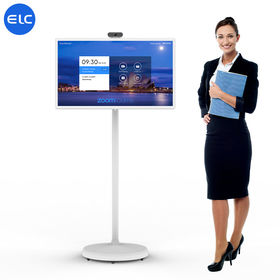
1. Multipoint, in-cell display
Company: Shenzhen Electron Technology Co. Ltd
Model SW2495T-11 from Shenzhen Electron has a 24in in-cell LCD screen with 1920x1080-pixel resolution. It has built-in Wi-Fi and runs on Android 12. This interactive whiteboard can be rotated, swiveled and tilted. Shenzhen Electron is an ISO 9001-certified OEM/ODM service provider with a 10,000sqm factory.
Price: $479 - $494
MOQ: 2 units
Lead time: 10 to 35 days
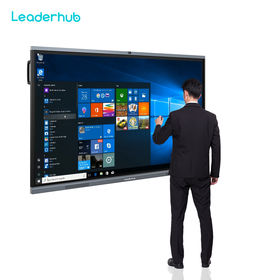
2. Up to 86in, with 10-point touch system
Company: Shenzhen KEP Technology Co. Ltd
From Shenzhen KEP, model L-65S24-#9461 is offered in 65in, 75in and 86in display sizes. It features a 10-point touch system with 2mm writing accuracy and less than 10ms response time. Shenzhen KEP is an ISO 9001- and 14001-certified manufacturer with 13 years’ experience in smart display products.
Price: $899 - $1,099
MOQ: 2 units
Lead time: 8 to 25 days
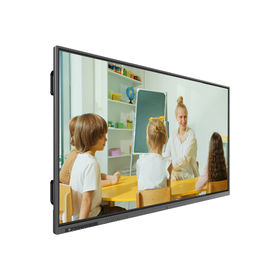
3. 86in, Android 11 version
Company: Perfect Display Technology Co. Ltd
The DE86-HEP from Perfect Display is an Android-based interactive whiteboard with an 86in grade-A LCD panel featuring an LED light source and resolution of 3840x2160-pixel resolution. It features a 20-point touch system with non-contact IR technology. It supports Wi-Fi and Bluetooth 5.0. Perfect Display has 17 years’ experience in monitors and offers customization services.
Price: $1,120
MOQ: 200 units
Lead time: 30 to 45 days
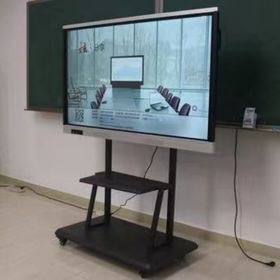
4. 82in, up to 16 touch points
Company: Jiangsu Reymu Technical Co. Ltd
Model R-001-#1560 from Jiangsu Reymu features an 82in display with infrared technology. It supports up to 16 touch points and can be written on with an ordinary pen or anything opaque. Jiangsu Reymu has a 5,000sqm factory and has 12 years of export experience.
Price: $923 - $1,098
MOQ: 1 unit
Lead time: 3 to 7 days
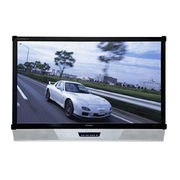
5. 72in, with TV tuner
Company: Ultmost Technology Group
Ultmost’s model RP-7202 is a 72in interactive whiteboard that uses LCoS projection and has 1920x1080-pixel resolution. It supports writing with an electronic pen. The unit also features a built-in computer and TV tuner. Ultmost is ISO 13485-certified and offers OEM/ODM services.
Price: Please inquire
MOQ: Please inquire
Lead time: Please inquire
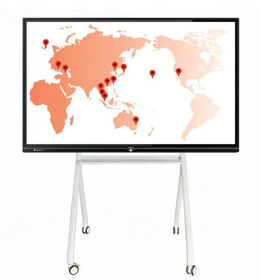
6. 85in, TFT-LCD
Company: Jinjiang Jiaxing Supply Management Co. Ltd
Jinjiang Jiaxing’s model “Touch whiteboard-017HZ” is an 85in IWB with a TFT-LCD panel featuring a resolution of 3840x2160p. Jinjiang Jiaxing has 20 years of manufacturing experience and offers OEM/ODM services.
Price: $564.93 - $565
MOQ: 1,000 units
Lead time: 15 to 25 days
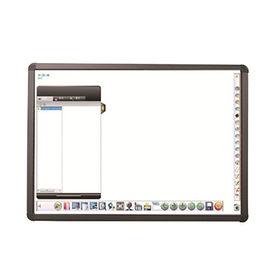
7. 150in infrared IWB
Company: Wuxi Lexin Av Equipment Co. Ltd
From Wuxi Lexin, model H150 is a 150in IWB with input devices supported by infrared technology. Wuxi Lexin is ISO 9001:2000-certified and offers OEM services. It has 15 years of experience is audiovisual products.
Price: $600
MOQ: 50 units
Lead time: 8 to 10 days
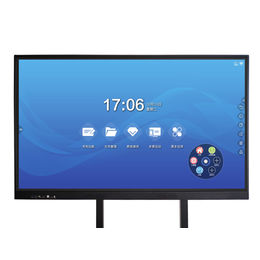
8. LED with 3840x2160 resolution
Company: Dongguan Kaidi Technology Co. Ltd
Model MSM04C-B from Dongguan Kaidi is an IWB with LED display featuring 3840x2160-pixel resolution. It is offered in screen sizes ranging from 43in to 100in. Dongguan Kaidi offers OEM/ODM services and has a 5,000sqm factory. It has 15 years’ export experience.
Price: $528 - $538
MOQ: 100 units
Lead time: Please inquire

9. 10-point capacitive touch
Company: Dongguan BGC Technology Co. Ltd
Dongguan BGC’s model BGC-TS75Inch.-#5600 is a 75-in IWB with a 10-point capacitive touch screen featuring a resolution of 3840x2160p. It can be installed on a desk or on the wall. Dongguan BGC offers OEM/ODM services. It is a subsidiary of Beijing Communication Co. Ltd.
Price: $942
MOQ: 1 unit
Lead time: 7 to 30 days
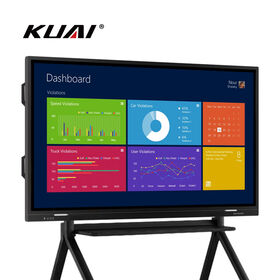
10. 85in, with built-in Wi-Fi
Company: Guangdong Kuai Intelligent Technology Co. Ltd
Kuai Intelligent’s “Interactive Board” is an 85in IWB offered in display sizes ranging from 19in to 85in. The panel has 3840x2160-pixel resolution, 2,000/3,000 nits brightness, and 1400:1 contrast ratio.
Price: $199 - $659
MOQ: 1 unit
Lead time: 7 to 15 days
Source the latest products from verified suppliers via global sourcing platform, and subscribe to our magazines for more in-depth insights and product discovery.
Join the Smart China Sourcing Facebook Group
- Connect with other buyers
- Ask questions
- Get advice from experts
The Related News
![]()
![]()
![]()
![]()
Serger vs Sewing Machine: Key Difference
2023/09/08