-
Upload photo
Re-upload
Accepting: jpg, png. Max file size: 10 MB
Buyer’s Guide: Best Heat Presses for Sourcing
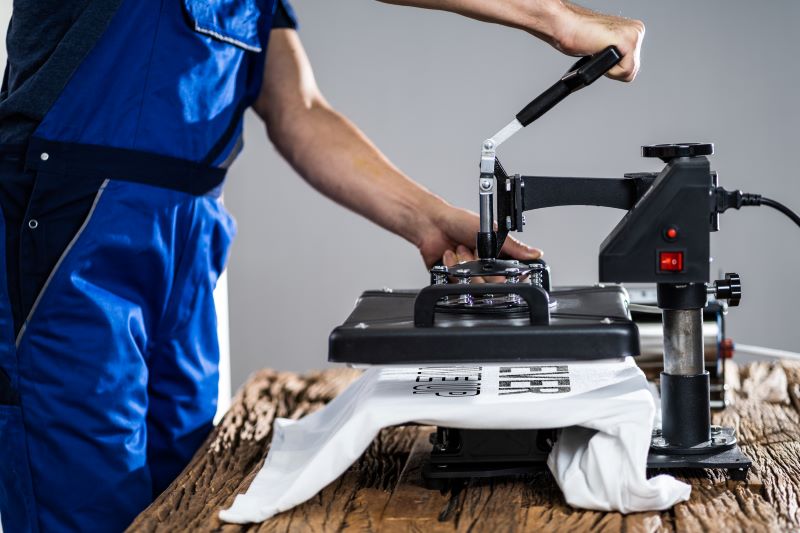
Image source: Andrey Popov/Getty
Heat press machines are innovative tools that are used to imprint designs onto different surfaces, primarily fabric, utilizing heat and pressure. Unlike traditional methods of design transfer such as household irons, heat press machines offer heightened control and precision. Not limited to fabric, these machines can transfer designs onto surfaces such as ceramic or aluminum, expanding their utility and versatility.
Heat press machines, also known as heat transfer printing machines, have good market potential. According to DataIntelo, the market is forecast to expand at CAGR of 5.5 percent through 2030. Among the key growth drivers are increased demand from the apparel and textile and the promotional products and gifts industries, as well as the trend for customized products.
Demand is also being generated from the small business sector as heat press-based businesses are counted among the best starter businesses. This is because of the relatively low start-up investment needed and the fact that a single heat press machine can be used to set up a home-based enterprise, such as a T-shirt printing business, for a solo entrepreneur.
What are heat press machines?
Heat press machines are devices used in the printing and textile industries to apply heat and pressure to transfer a design, graphic, or text onto various surfaces. They consist of a heated platen (usually made of metal) and a base that holds the material to be printed. The platen exerts pressure and heat to transfer the design from heat transfer paper or vinyl heat transfer film onto the desired surface, such as fabric, ceramic, or metal. Heat press machines are commonly used for creating custom T-shirts, bags, hats, mugs, and other personalized items.
Heat presses typically come in four size categories based on the size of their platen. The four heat press sizes are label, small format, standard or medium and large format.
Label presses are those that come in 5x5in or 6x8 in sizes. They are used to print images and text onto labels or apparel.
Small presses are 9x12in, 11x15in and 12x14in. They are very portable and can be used to press small shirts. They are ideal for hobbyists or crafters.
Standard or medium heat presses are 14x16in, 15x15in and 15x20in. They are good for users who want to turn their hobby into a business.
Large format presses are available in sizes such as 16x20in, 20x25in, 26x32in, 32x42in and 44x64in. They are for industrial use and are ideal for high print volumes and transfers on large items.
The size of the heat press should be chosen to suit the user’s needs based on the size of transfers to be pressed and the anticipated production output. For small businesses, experts say that the most versatile and recommended size is the 15x15in heat press.
How do heat press machines work?
Heat press machines allow a user to transfer designs onto various surfaces using heat and pressure. The machine consists of a heated platen and a flat surface where a user places the material to be printed on. The platen heats up to a specific temperature and, when combined with pressure, it transfers the design onto the material. The heat and pressure create a bond between the ink and the material, resulting in a long-lasting and vibrant print.
One of the key components of a heat press machine is the heating element. It is responsible for heating the platen to the desired temperature. Most machines have a digital control panel that allows for setting the temperature accurately, ensuring consistent results every time. Additionally, some advanced models also offer adjustable pressure settings, giving more control over the transfer process.
Heat press machines utilize different types of heat source, such as infrared, ceramic, or quartz heaters. Each has its advantages and drawbacks.
Some machines also feature a timer function, which automatically stops the heating process once the desired time has elapsed. This feature is particularly useful when working with heat-sensitive materials.
In summary, heat press machines work by applying heat and pressure to transfer designs onto various materials. The heating element, temperature control, pressure settings, and timer function are all crucial components that contribute to the efficiency and effectiveness of the machine.
Benefits of using a heat press machine
Using a heat press machine offers numerous benefits, making it a popular choice among DIY enthusiasts and professional businesses alike. Among the key advantages of heat press machines are:
- Versatility: Heat press machines can be used on a wide range of materials, including cotton, polyester, ceramic, metal, and more.
- Customization: With a heat press machine, users can create personalized designs and prints, enabling designers to bring their vision to life.
- Durability: Heat press transfers are known for their durability. Unlike other printing methods that may cause designs to fade or crack over time, heat press prints can withstand multiple washes without losing their vibrancy and quality.
- Cost-effective: Heat press machines offer a cost-effective solution for customizing merchandise. DIY printing is a good alternative to outsourcing printing needs.
- Quick turnaround time: Heat press machines are designed to work efficiently, allowing users to complete projects quickly. Whether one is working on a single item or a batch of products, a heat press machine ensures a speedy turnaround time.
These advantages make heat press machines a valuable tool for anyone looking to unleash their creativity and produce high-quality personalized merchandise.
Types of heat press machine
There are several types to choose from, each catering to different needs and preferences. Here are some of the most common types of heat press machines:
- Clamshell: The clamshell heat press machine is one of the most popular and widely used types. It features a hinged top platen that opens and closes, resembling the shape of a clamshell. This design allows for easy operation and saves space, making it ideal for small businesses or home use. Clamshell machines provide even pressure distribution, ensuring consistent transfers.
- Swing-away: The swing-away heat press machine offers a design where the top platen swings to the left or right, providing unobstructed access to the lower platen. This design allows for precise placement of the material and reduces the risk of accidental burns. Swing-away machines are often preferred for heat transfers that require intricate alignment or when working with thicker materials.
- Drawer: The drawer heat press machine is a compact and user-friendly option. It features a lower platen that slides out like a drawer, allowing for easy placement and removal of the material. This design is particularly useful when working with larger items or when space is limited. Drawer machines are known for their simplicity and convenience.
- Multifunctional: Designed to handle a variety of applications, these machines often include interchangeable platens that allow the user to work on different-sized items or use different heat transfer methods. For example, some multifunctional machines can be used for heat transfers, sublimation printing, or vinyl cutting. These versatile machines are an excellent choice for those who want to explore various creative techniques.
10 Features of the Best Heat Press Machines in 2023
The features of the best heat press machines in 2023 that buyers should consider are the following:
- Temperature control: A good heat press machine should have precise temperature control to ensure accurate heat transfer for different materials and designs.
- Even heat distribution: The heat platen should provide uniform heat distribution across the entire surface to prevent hotspots and ensure consistent results.
- Time control: Adjustable timer settings allow you to control the duration of the heat transfer process, ensuring proper curing or bonding of the design.
- Pressure adjustment: The ability to adjust the pressure exerted by the heat press machine is crucial for accommodating different materials and achieving optimal results.
- Versatility: Look for a heat press machine that can handle a variety of items, such as T-shirts, mugs, hats, or plates, allowing you to expand your printing capabilities.
- Ease of use: User-friendly controls, clear instructions, and intuitive operation make it easier to set up and operate the heat press machine.
- Durability: A well-built and sturdy heat press machine will withstand frequent use and last longer, offering better value for your investment.
- Safety features: Features like an automatic shutoff, heat-resistant handles, and temperature alarms ensure safe operation and minimize the risk of accidents.
- Warranty and customer support: Consider buying a heat press machine from a reputable brand that offers a warranty and good customer support in case you encounter any issues.
- Well recommended: Remember to refer to reliable sources like customer reviews, expert opinions, and reputable websites when choosing a heat press machine.
How to choose the perfect heat press for beginners (a buying guide)
When choosing the perfect heat press machine, there are several factors to consider.
Firstly, assess your needs based on the complexity of your designs and the materials you'll be working with. If you require simple designs and versatility, heat pressing is a suitable option. However, if you need more intricate designs and excellent durability, screen printing may be preferable.
Consider your budget and the equipment required. Heat pressing requires fewer tools and can be started from home, making it a cost-effective choice for beginners. Additionally, heat pressing is easy to learn and produces high-quality prints.
Evaluate the different types of heat presses available, such as the clamshell style and swing-away style. Each style has its advantages and disadvantages, so choose the one that suits your preferences and workflow.
Other factors to consider include the display type (digital or analog), durability, warranty and additional features. It's important to buy from a reputable source that provides support.
What's the difference between screen printing and heat pressing
Heat pressing and screen printing are two popular methods used in the printing and textile industries, but they differ in terms of process, materials, and applications.
- Process:
- Heat Pressing: Heat pressing involves using a heat press machine to transfer a design onto a material. The design is printed onto a special transfer paper or vinyl, which is then placed on the material. Heat and pressure are applied, causing the design to adhere to the material.
- Screen Printing: Screen printing, on the other hand, involves creating a stencil, also known as a screen, by blocking out areas not meant to be printed. Ink is then pushed through the screen onto the material using a squeegee, resulting in the design being transferred.
2. Materials:
- Heat Pressing: Heat pressing can be used on a wide range of materials, including fabrics, ceramics, metal, glass, and more. However, it is most used on fabrics such as T-shirts, hats, bags, and other textiles.
- Screen Printing: Screen printing is suitable for printing on various materials, including fabrics, paper, wood, plastic, and even metal. It is commonly used on T-shirts, clothing, posters, signage, and promotional items.
- Design Complexity:
- Heat Pressing: Heat pressing is ideal for simple designs or graphics that can be easily transferred using heat and pressure. It is not suitable for intricate or detailed designs with multiple colors.
- Screen Printing: Screen printing allows for more complex designs with multiple colors and fine details. It is a versatile method that can achieve high levels of precision.
- Durability:
- Heat Pressing: Heat transfers created through heat pressing can have good durability, but they may fade or crack over time, especially with frequent washing and wear.
- Screen Printing: Screen printing offers excellent durability, as the ink is pushed into the fabric fibers, resulting in a long-lasting print that can withstand repeated washing and wear.
- Cost:
- Heat Pressing: Heat pressing tends to be more cost-effective for small-scale projects or single-item printing. It requires minimal setup and can be done quickly.
- Screen Printing: Screen printing is more cost-effective for larger quantities of items. While the setup costs are higher, the per-item cost decreases with larger print runs.
Product Gallery
Here is a gallery of products chosen by our market analyst as representing trends in heat presses on offer from verified suppliers on Global Sources:
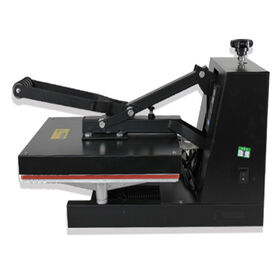
1. Manual, for hot foil stamping
Company: Jinjiang Jiaxing Supply Management Co. Ltd
Jinjiang Jiaxing’s model Hot stamping machine-094KV is a heat press machine that is used to stamp hot foil onto surfaces, using foils up to 35mm in width. The 3.5kg unit preheats between five and 10 minutes and its printing speed is 10 to 80 pieces per minute. Jinjiang Jiaxing was established in 1990 and manufactures a wide range of products.
Price: $749.83 to $750
MOQ: 1,000 units
Lead time: 15 to 25 days
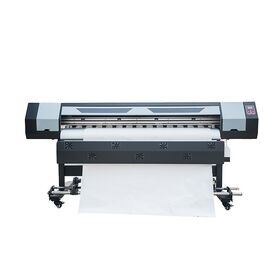
2. Hot-stamp printing machine for aluminum
Company: Wenzhou Start Inzok Co. Ltd
Model IN-HSMO001-01 from Wenzhou Start Inzok is a heat press for hot stamping designs on aluminum, fabric, film and leather. Wenzhou Start Inzok was established in 2005. It offers OEM services and has a team of 100 R&D engineers.
Price: $1,550 to $1,750 per carton
MOQ: 500 cartons
Lead time: 5 to 7 days
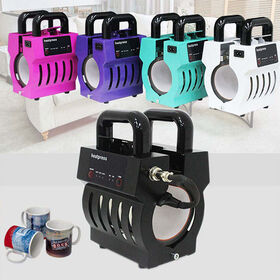
3. DIY mug heat press machine
Company: Skylark Network Co. Ltd
From Skylark Network, model HW-1 is a portable heat press for 11 to 15oz mugs. It uses the sublimation process for design printing, and it has a printing speed of 6.7cpi. The unit has temperature control settings ranging from 160 Celsius to 200 Celsius and has an adjustable pressure knob. Its net weight is 2.2kg.
Price: $24 to $26
MOQ: 300 units
Lead time: 25 to 45 days
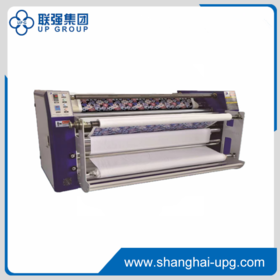
4. Roll-to-roll heat transfer
Company: Shanghai UPG International Trading Co. Ltd
Model LQ-MD 3200 is a heat press designed for continuous roll-to-roll heat transfer. It uses a combination of adjustable belt tension with an electrical thermos-oil heated system for uniform and accurate temperature control. The unit has a drum diameter of 420mm, working width of 3200mm and printing width of 1200 to 3600mm. Its net weight is 2300kg. Shanghai UPG was established in 2001 and specializes in printing and packaging machinery.
Price: Please inquire
MOQ: Please inquire
Lead time: Please inquire
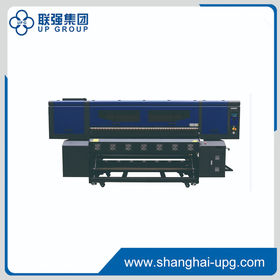
5. Digital sublimation printer
Company: Shanghai UPG International Trading Co. Ltd
The LQ-MD 6198E is a digital sublimation printer with eight Epson I3200-A1 water-based ink printheads. Its printing speeds are 370sqm per hour at one-pass and 185 sqm per hour at two-pass. The unit dimensions are 3710x3500x1940mm while its gross weight is 400kg.
Price: Please inquire
MOQ: Please inquire
Lead time: Please inquire
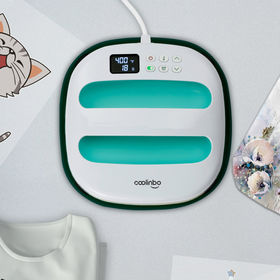
6. Portable sublimation heat press
Company: Shenzhen Aiduoduo Technology Co. Ltd
Model HP-2-#4677 from Shenzhen Aiduoduo is a portable heat press that can be used for hot stamping and screen-printing designs on fabric, porcelain or metal plates. Its printing speed options are 6.7cpi and 7.5cpi and it can press designs in 60 seconds or less. The unit measures 270x270x144mm with its base and 249x249x108mm without. Shenzhen Aiduoduo was established in 2001 and specializes in smart printing equipment.
Price: $52 to $76
MOQ: 5 units
Lead time: 10 to 30 days
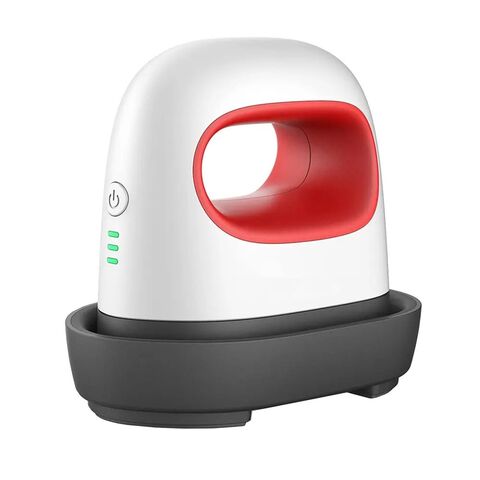
7. Mini press
Company: Pinghu Sinotex Yijia Co. Ltd
From Pinghu Sinotex Yijia, model B11-2-#0481 is an electricity-powered mini heat press for printing designs on caps, T-shirts and other clothes. It measures108x100x62mm and weighs 0.7kg. Its platen size is 62x106mm. It has three temperature settings with a range between 140 Celsius and 190 Celsius. Pinghu Sinotex Yijia is a manufacturing company with more than 12 years of experience. It offers OEM/ODM services.
Price: $19 to $21
MOQ: 1 unit
Lead time: 7 to 20 days
Frequently asked questions about heat press machines
What is the best 15 x 15 inch heat press?
A 15x15 inches heat press refers to the size of the heat platen or the heat transfer surface of the machine. It means that the heat press has a square-shaped platen that measures 15 inches by 15 inches, providing a total area of 225 square inches for heat transfer. This size is one of the most versatile and recommended options for heat press machines. With a 15x15 inches heat press, one can comfortably work on various flat-faced items like T-shirts, fabrics, ceramics and more, allowing you to transfer artwork onto these mediums easily and efficiently.
What is the best heat press machine for T-shirts?
The best heat press machine for T-shirts this year, according to experts, is the Fancierstudio Power Heat Press. It is highly regarded as one of the best heat press machines on the market. It features a sturdy build and a 15x15 inch heating plate, which makes it suitable for T-shirt designs. The machine heats up quickly and has a digital timer for precise pressing.
What is the best heat press machine for small businesses?
According to experts at Heat Press Nation, the best heat press machine for small businesses is the Hotronix Fusion IQ 16x20 heat press. This machine is specifically designed for small business owners who want to maximize their efficiency and productivity. It offers a large 16x20 inch heat platen, which allows for easy and efficient pressing of larger garments or multiple smaller items at once. The Hotronix Fusion IQ also comes with advanced features like digital controls, programmable presets and a touch screen interface, making it easy to set and monitor the temperature, time and pressure settings for each job.
How do I choose a good heat press?
To choose a good heat press machine, consider the following factors:
- Size and Heating Plate: Determine the size of the items you'll be working with and choose a machine with an appropriate heating plate size. For example, a heat press with a 15x15in heating plate is ideal for most T-shirts.
- Durability and Build Quality: Look for a sturdy and durable machine that can withstand frequent use.
- Heating Speed: Opt for a machine that heats up quickly to save time.
- Temperature Control: Ensure the machine has precise temperature control to achieve the desired results. Some machines offer digital controls and programmable presets for advanced temperature control. Machines with adjustable temperature settings offer more versatility and control over the design process.
- User-Friendly Design: Look for a machine that is easy to operate and user-friendly, especially if you are a beginner or have a small business.
- Additional Features: Consider any additional features that may be important for your needs, such as a digital timer or the ability to transfer designs onto surfaces other than fabric.
Remember also to consider your budget and the specific requirements of your business when choosing a heat press machine.
Is a heat press better than a Cricut press?
Both a heat press and a Cricut press (it is a brand of heat press) have their own advantages and considerations. A typical heat press offers convenience, efficiency and even heat distribution, making it suitable for larger projects. It can reach higher temperatures, up to 370 degrees Celsius (699 degrees Fahrenheit). However, it is heavy, takes time to heat up and has a limited work area.
On the other hand, a Cricut press, such as the EasyPress model, is smaller, lightweight, and heats up quickly. It is easy to use and suitable for smaller projects. However, it requires manual pressure.
The choice between a heat press and a Cricut press depends on individual needs, project size, and personal preferences.
What is the best auto-open heat press?
An auto-open heat press is a type of heat press machine that incorporates an automatic opening feature. This feature allows the upper platen of the heat press to automatically lift or open once the desired transfer time has elapsed. It eliminates the need for manual operation to open the press, saving time and effort. Auto-open heat presses are commonly used for transferring designs onto various items such as T-shirts, pillowcases, jigsaw puzzles and more. They offer convenience and efficiency in the heat transfer process. Some models use advanced spring air technology to ensure precise transfers.
Source the latest products from verified suppliers via global sourcing platform, and subscribe to our magazines for more in-depth insights and product discovery.
Join the Smart China Sourcing Facebook Group
- Connect with other buyers
- Ask questions
- Get advice from experts
The Related News
![]()
![]()
![]()
![]()
Serger vs Sewing Machine: Key Difference
2023/09/08