
-
Upload photo
Re-upload
Accepting: jpg, png. Max file size: 10 MB
8 Steps to Import Quality Products from China
By Yongxing Qin
People import products from China because products made in China are less-expensive and they believe they can make big money through importing from China. But, we are not talking about why people like to import goods from China. Instead, we will discuss how to import from China.
We know that it is easy to find products and suppliers on B2B sites, but have you realized that everybody finds suppliers on B2B sites, including your competitors? So continue reading. This article is brief but helpful to people who are planning to purchase products from China.
Tips: Finding Reliable Verified Suppliers on Global Sources
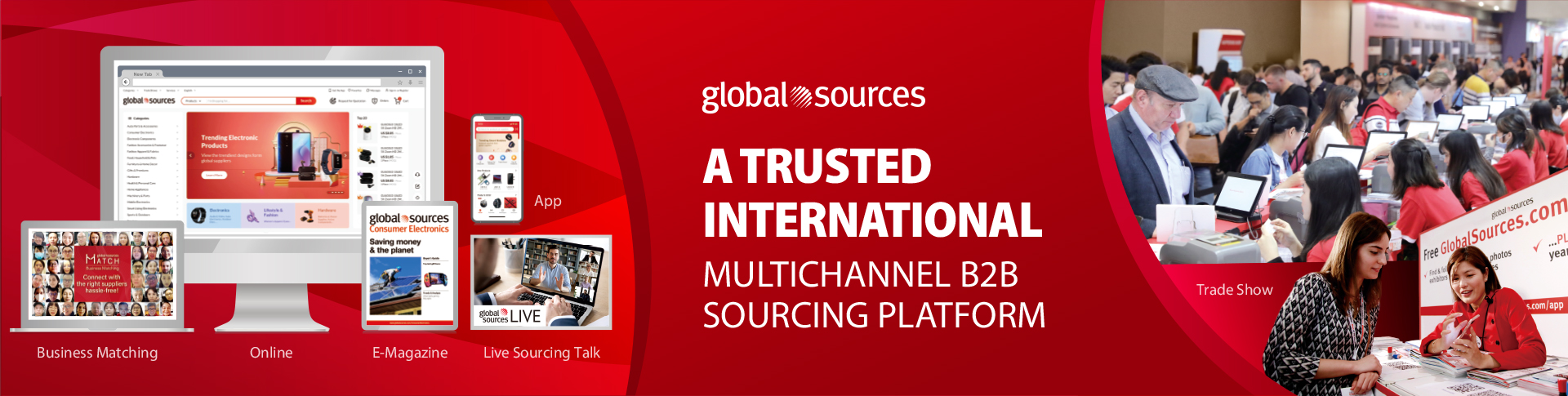
As one of the world's largest facilitators of Business to Business (B2B) trade for over 50 years, Global Sources has provided buyers from all over the world access to hot new products as well as qualified B2B lead generation to China manufacturers. You will find tens of thousands of products on the Global Sources B2B website.
-
The conditions for success: Exporter, forwarder, and importer
International trade is not like domestic business. You cannot purchase products directly from city to city. You need people to export products to you. Customs duties, language, currency exchange and customs clearance issues are the main factors stopping people from importing from China. Exporters, forwarders, and importers are the three core entities when doing international business.
- An exporter can be a real manufacturer, trading company, sourcing agent, self-employed entrepreneur, non-profit organization, government, and even a person.
- A forwarder can be a freight agent or real carrier. You can ship cargo by train, by truck, by freight air, by express, and by ocean.
- An importer should be an organization who is not registered in mainland China. It must be from other locations such as India, the UK, the US, Canada, and Australia.
-
Import business process: Manufacturing, customs clearance, payment
The manufacturer produces products and you pay money to the supplier, you handle customs clearance, and you receive products made in China, this is the common flow for importing from China. A third-party service company can help you to deal the customs clearance issues if your company didn’t have import and export authority.
-
B2B sites
There are many B2B sites that can be used to find Chinese suppliers or products made in China. One thing to note, however, is that information on a supplier’s online shop may or may not be true. For example, a supplier confirmed to be a manufacturer could turn out to be a trading company.
-
Search engines: Google, Baidu, Bing
I personally recommend Google.com if you want to find Chinese suppliers via search engines. Compared to other search engines such as baidu.com and bing.com, Google is pure and just, because it indexes useful information only. Use some keywords related to your products and China city name, you can discover hundreds of suppliers based in China.
Shanghai, Yiwu, Ningbo, Wenzhou, Hangzhou, Wuxi, Suzhou, Taizhou, Kunshan, Jiashan, Foshan, Shantou, Guangzhou, Shenzhen, Dongguang, Zhognshan, and Zhuhai are the most important industrial cities to find Chinese suppliers who can export goods to overseas customers. We don’t suggest, however, overseas customers importing a product from an inland China city, because few of companies from inland cities have export experience.

-
Trade shows: Shanghai, Guangzhou, Beijing, Yiwu
There are lots of China trade shows you can attend every year, including East China Import and Export Commodity Fair, Beijing International Auto Show, The Yiwu Commodities Fair, and China Import and Export Fair. In Shanghai, you can discover a trade show every three days.
Global Sources hosts several trade shows in Hong Kong every April and October. These exhibitions boast a total of 8,000 booths filled with the latest consumer and mobile electronics, gifts and home, and fashion products.
-
Social Sites: Facebook, Twitter, LinkedIn
Facebook, Twitter, and LinkedIn are the most important social platforms to look for suppliers for the products you need. In LinkedIn, for example, you can discover thousands of suppliers via input keywords.
-
Procurement solutions companies: Sourcing agents in China
If you don’t want to waste time finding and managing Chinese suppliers in person, a sourcing agent or sourcing partner can help. Your Chinese business partner will source products and verify suppliers according to your requirements. In most cases, they can even find a manufacturer offering a lower price than what you found on B2B sites.
-
Quality control: Pre-production inspection, in-process inspection, pre-shipment inspection
Importing from China is not without risk, and many buyers have received bad quality products after paying tons of money to their China suppliers. So, we suggest importing products from manufacturers with a quality management system. And we don’t suggest people to import goods from suppliers named XXX factory, because most of those organizations make parts or products without any quality control, in fact, they are self-employed workshops.
Pre-production inspection, in-process inspection, and pre-shipment inspection are the most effective ways to prevent bad shipments. This is especially true for pre-shipment inspection. Arrange for product inspection after manufacturing but before shipping if you don’t want to receive a “surprise” from China. If you can’t check products in person, you can hire a third-party product inspection services company to help you.
Yongxing Qin is the founder of DiscoverSourcing.com, a procurement solutions company that can help small businesses discover reliable manufacturing companies. He is well-experienced in supplier development, QC and project transfer from the US and Europe.
People Also Like:
Ultimate Guide to China Sourcing
Sole Sourcing vs Single Sourcing vs Multiple Sourcing Category
Ultimate Guide: In-Depth Insights on Global Sourcing
Minimum Order Quantity (MOQ) Explained - Formula & Tips
How to Find a Manufacturer or Supplier For Your Product
Source the latest products from verified suppliers via global sourcing platform, and subscribe to our magazines for more in-depth insights and product discovery.
Join the Smart China Sourcing Facebook Group
- Connect with other buyers
- Ask questions
- Get advice from experts