
-
Upload photo
Re-upload
Accepting: jpg, png. Max file size: 10 MB
10 Wholesale Distribution Industry Trends for 2023 and Beyond
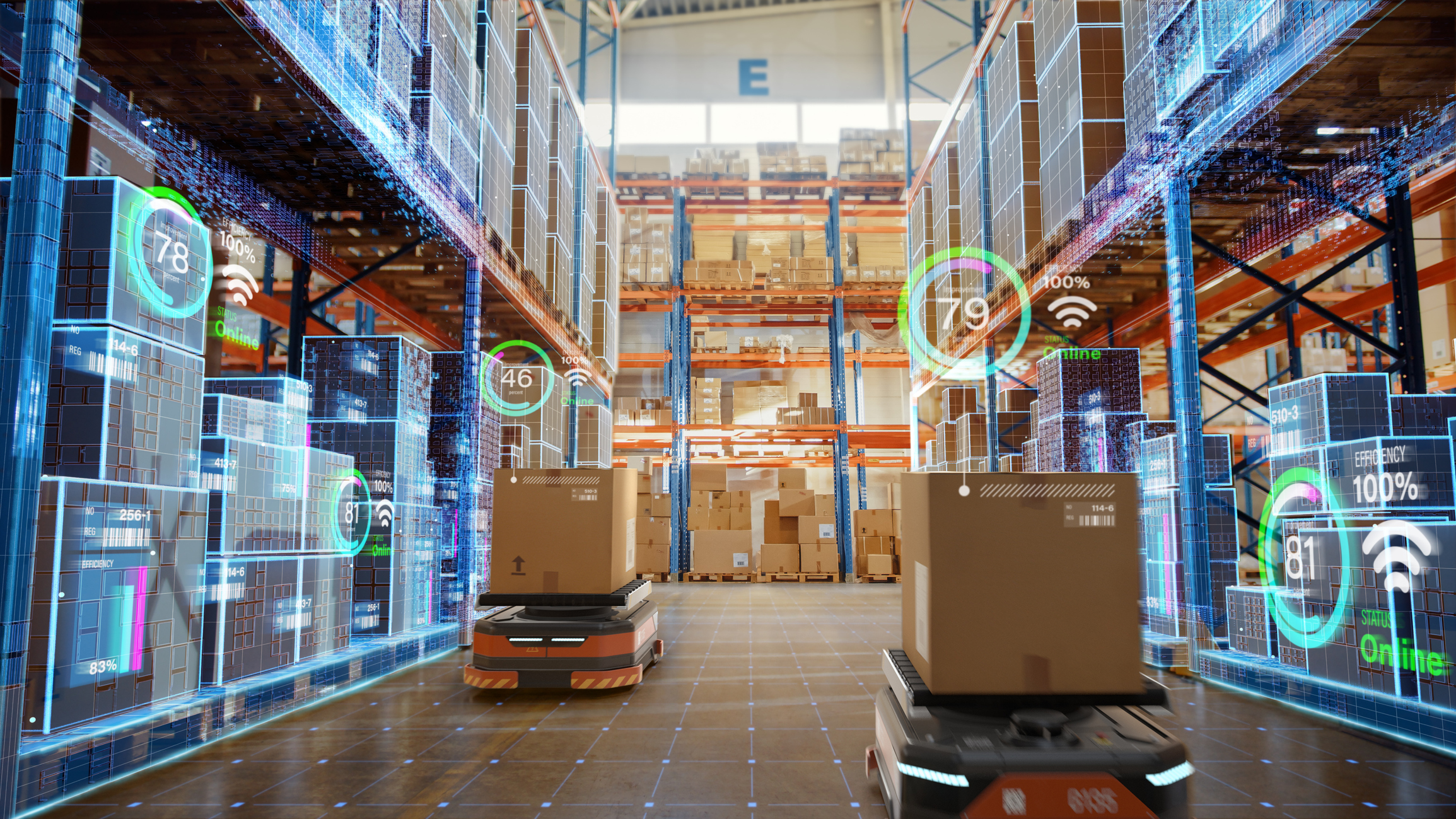
Image Source: Getty
The wholesale distribution industry is a crucial component of the global economy, linking manufacturers and producers with retailers and consumers. The health of the industry plays a significant role in increasing product sales. Wholesalers or distributors act as intermediaries who buy products in bulk from manufacturers, producers or suppliers and redistribute the goods to retailers and end consumers.
Through wholesalers and distributors, manufacturers and suppliers, especially those who may not have enough resources to distribute their products widely on their own, are able to reach a broader market than they would be able to on their own. Wholesaling also helps retailers buy products from wholesalers at lower prices and small quantities than they would if they bought directly from manufacturers. Moreover, wholesalers and distributors often have niche markets and expertise which can help retailers in making informed decisions in terms of product selection, pricing and marketing.
Today, the wholesale distribution industry is undergoing a significant transformation, driven by evolving consumer demands, technological advancements, and increased competition. The global wholesale industry is currently valued at $48,883.25 billion and is expected to reach $61,529.93 billion in 2027, according to the latest report from The Business Research Company.
How did the pandemic affect the wholesale industry?
The COVID-19 pandemic is one of the most unprecedented and serious health and socio-economic challenges humanity has ever faced. While the World Health Organization (WHO) has recently declared the end of the pandemic as a global health emergency, the impacts since its onset in 2020 have drastically affected individuals, societies, industries and global supply chains.
Nothing and no one was spared from the negative effects of the pandemic. The wholesale industry, for one, suffered the brunt of the pandemic’s disruptive impact as lockdowns, quarantines, travel bans, border closures and other mobility restrictions were in place.
The disruptions brought about by the pandemic have drastically changed working norms and the usual ways of doing business. Restrictions due to the pandemic led to surges in commodity prices, logistics issues, inflation across goods and services, and disruption to procurement and production.
As factories and warehouses were shutting down or reducing operations, sourcing products became more difficult, leading to shortages of certain products and delays in delivery. Changes in consumer behavior were also evident, with e-commerce becoming the new norm because of safety concerns.
Another notable impact of the pandemic was the shift in the demand for different types of products. There was a drastic decline in consumption and demand for non-essential goods and luxury items but a surge in demand for medical and health products. As a result, some businesses had to close while others had to keep up with the pace. This, in turn, greatly affected the supply chain, with wholesalers either reducing their orders or scrambling to find manufacturers or suppliers that can immediately fulfill their needs.
The pandemic has also led to increased competition among suppliers, distributors, marketplaces and other industry players as keeping businesses afloat amidst a turbulent time was the highest priority. The entire wholesale distribution industry had to innovate and find ways to remain competitive.
The pandemic highlighted the importance of agility and resilience in the wholesale industry, as businesses have had to pivot their operations quickly to survive. Despite the massive restraint and negative impacts, the wholesale and retail industry still thrived the most post-pandemic in comparison with other industries, according to School of Marketing.
10 wholesale trends in 2023
To stay ahead in this fast-paced environment, it's essential to keep abreast of the latest trends shaping the sector. Here are some of the most significant wholesale distribution trends that are reshaping the industry today.
1. E-commerce
Many wholesale distributors are shifting their focus to online sales channels to reach a wider audience and improve customer experience. Online marketplaces like Globalsources.com and e-commerce platforms provide wholesalers with access to a global audience and allow for a more streamlined and connected buying experience. As internet users worldwide and the number of people buying online continue to increase each year, e-commerce will remain an indispensable part of the wholesale distribution industry. According to Forbes Advisor, 20.8 percent of retail purchases are forecast to be done online in 2023 and will grow at 24 percent by 2026. At present, the global e-commerce market is valued at $6.3 trillion.
2. Data analytics
Wholesale distributors are increasingly using data analytics to gain insights into customer behavior, inventory management, and supply chain optimization.
3. Mobile technology
Mobile devices and apps are becoming increasingly important tools for wholesale distributors, allowing them to manage inventory, track shipments, and communicate with customers on the go.
4. Personalization and focus on customer experience
In today's competitive landscape, exceptional customer service is crucial for wholesale distributors. To differentiate themselves, many wholesalers are focusing on providing personalized experiences to their customers. This includes offering tailored product assortments, streamlined ordering processes, and convenient delivery options. Wholesalers are also leveraging data analytics and customer relationship management (CRM) tools to gain insights into customer preferences and buying patterns, allowing them to better serve their clientele.
5. Automation and robotics
Automation and robotics are being used in distribution centers to improve efficiency and reduce labor costs, particularly in repetitive or dangerous tasks.
6. Sustainable practices
As more companies and consumers recognize the need to reduce their carbon footprint, many wholesale distributors are adopting sustainable practices to reduce waste and environmental impact. From using sustainable packaging materials and fuel-efficient transport systems to reducing waste and energy consumption, promoting sustainable practices is likely to continue to be a priority in the industry.
7. Artificial intelligence
AI is being used in wholesale distribution to optimize supply chain operations, forecast demand, and improve inventory management. AI can help wholesalers accurately predict demand for their products and optimize inventory levels to reduce storage costs and prevent stockouts. It can take into account factors such as seasonality, historical sales data, and market trends to make more accurate predictions. It can also provide tailored recommendations and real-time responses to inquiries for a more personalized customer experience.
8. Blockchain technology
Blockchain is being explored as a way to improve supply chain transparency, reduce fraud, and improve traceability in the distribution process. It has the potential to bring benefits like increased efficiency, security and customer satisfaction to wholesale distribution through more accurate real-time tracking of inventory, goods and payments across the supply chain. However, widespread adoption will still likely require distributors to overcome challenges like integrating legacy systems and building new in-house expertise.
9. Globalization
As more and more end users and consumers rely on online platforms and social media to buy and search for products, the wholesale distribution industry must keep up with the trend and diversify their supply chain networks, digitize their operations and expand into the global market.
10. Omnichannel solutions
Having an all-in-one, easy-to-use platform allows wholesalers to sell through both traditional channels like in-person sales and phone orders and newer digital channels like e-commerce websites and mobile apps. This gives customers the flexibility to shop and order, however, is most convenient for them. Omnichannel platforms also help integrate different sales channels, provide a unified view of inventory and orders, and optimize fulfillment across channels that make it easier for distributors to manage their supply chain.
4 tips for wholesale distribution businesses
The key to success for wholesale distribution businesses in the current environment is to remain agile, adaptable, and innovative. By embracing new technologies, diversifying their offerings, building resilience into their supply chain, and leveraging data and analytics, wholesalers can position themselves for success and thrive in the post-pandemic world.
1. Embrace e-commerce
Wholesalers can reach new markets and increase their business profitability by shifting to e-commerce and optimizing their online presence.
2. Diversify your product offerings
The pandemic has led to shifts in demand for certain products, and wholesalers that are too reliant on a single product or sector may be vulnerable. By diversifying their product offerings, wholesalers can reduce their risk and capitalize on new opportunities.
3. Build resilience into your supply chain
The pandemic highlighted the importance of having a resilient supply chain that can withstand disruptions. Wholesalers should work to build redundancy into their supply chain and develop contingency plans for unforeseen events.
4. Leverage data and analytics
Data and analytics can provide wholesalers with valuable insights into customer behavior, market trends, and inventory management. By leveraging data and analytics tools, wholesalers can make informed decisions and improve their operations.
Buy wholesale products from leading B2B platform GlobalSources.com
The products in the gallery below have been selected by our Market Analyst for representing trends in wholesale distribution. Source them via GlobalSources.com today.
Gallery View of Popular Wholesale Products

1. Smart TV
Company: Shenzhen Electron Technology Co. Ltd
Available in 24 to 32in, Shenzhen Electron’s SW2495T-04-03 10-point multitouch smart TV, with built-in five-wheel stand and two 5W speakers, has 1920x1080 resolution and 250cd/sqm brightness. It runs on an RK3588 CPU with 4GB RAM and 64GB ROM. This Android-compatible TV supports Wi-Fi 6, Bluetooth 5.0 and Ethernet 100M/1,000M. It has a SIM card slot, and USB, RJ45 and USB-C ports. The screen can be tilted up to 90 degrees clockwise and counterclockwise, 5 degrees front, 25 degrees back, and 15 degrees left and right. ISO 9001-compliant Shenzhen Electron provides OEM and ODM services.
MOQ: 2 units
Price: $479 to $ 494
Lead time: 10 to 35 days

2. Noise-canceling TWS earbuds
Company: Changzhou Halee Electronic Co. Ltd
These noise-canceling TWS earbuds from Changzhou Halee, the C005-Q61, have 5V, 1A voltage and current, 32ohm impedance, 10m transmission distance, -42dB microphone sensitivity and -10 to 50 C operating temperature. The unit is powered by a 50mAh battery with 4-hour talk, 1-hour charging and 120-hour standby time. ISO 9001:2008-certified Changzhou Halee’s R&D team releases 10 new items monthly.
MOQ: 100 units
Price: $10.99 to $12.43
Lead time: 3 to 7 days
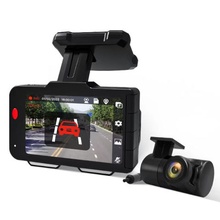
3. Car dash camera
Company: Key (Shenzhen) Technology Co. Ltd
The KY-181-D from Key Technology is a 4K car dash camera with 12MP camera, 140-degree viewing angle and night vision sensor. It has loop recording, park mode, ADAS voice assist and 3-axis G-sensor features. Key Technology accepts requests for small orders and provides OEM services.
MOQ: 1,000 cartons
Price: $80 to $85
Lead time: 7 to 45 days

4. Facial massager
Company: Eyesun Technology Co. Ltd
From Eyesun, this MP-013-1110-2 facial massager cleanses, tightens and whitens the skin, and removes wrinkles and acne. The 2.5W black or white unit, with a USB-C charging port, runs on a 750mAh battery with up to two hours of charging time. Eyesun exports all of output and provides OEM services.
MOQ: 1 unit
Price: $9.90 to $18
Lead time: 5 to 9 days
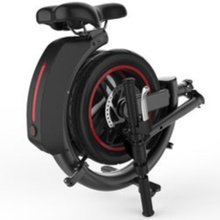
5. Electric folding bike
Company: Shenzhen Chitado Technology Co. Ltd
Model C2 14in electric folding bike from Shenzhen Chitado has 25kph maximum speed, 18 to 25km distance per charge, 18-degree climbing angle, 120kg load capacity, and 0 to 40 working and -10 to 50 C storage temperatures. The 10kg unit measures 1,070x450x600mm when folded and 1,080x450x730mm when in use. It has 100 to 240V and 42V rated input and output voltages, 350W power and 6Ah battery capacity. ISO 9001:2008-certified Shenzhen Chitado provides OEM and ODM services.
MOQ: 50 units
Price: $238 to $240
Lead time: 45 to 50 days

6. IP67-rated smart watch
Company: Quality Technology Industrial Co. Ltd
From Quality Technology, this QT31-2878 smart watch has a 1.91in touchscreen display with 240x296-pixel resolution. This IP67-rated unit made of zinc alloy and silicone has pedometer, heart rate, sleep, temperature and blood pressure monitoring, call and message reminder, push notification, and calorie-counting functions. Quality Technology provides OEM and ODM services.
MOQ: 100 units
Price: $12.35 to $13.98
Lead time: 7 to 35 days

7. Women's sports shoes
Company: Hangzhou Dechuan Import & Export Co. Ltd
Hangzhou Dechuan’s DCSNEAKERS-0085 women’s lace-up sports shoes have a PU upper and thick outsole. Available sizes are 36 to 41. Hangzhou Dechuan has more than 20 years’ footwear manufacturing experience.
MOQ: 200 pairs
Price: $4 to $5
Lead time: 30 to 60 days

8. Yoga wear set
Company: Jinjiang Jiaxing Groups Co. Ltd
This women’s yoga wear set from Jinjiang Jiaxing Groups, the Sport Fitness Technology-064R, consists of breathable, quick-dry, antibacterial, anti-UV and antistatic shirt, pants and tracksuit. It is made of polyester and spandex, and comes in small to extra-large sizes, and purple, blue, rose red, gray and pink. Jinjiang Jiaxing Groups’ R&D team releases 20 new items monthly.
MOQ: 1,000 sets
Price: $16.50
Lead time: 15 to 25 days
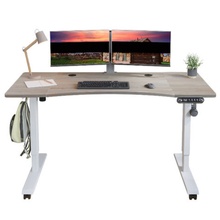
9. Sit-stand desk
Company: Ningbo Royal Union Co. Ltd
Using two motors with less than 50dB noise, this sit-and-stand desk from Ningbo Royal, the BSL823, has a keypad for adjusting height levels. This 120kg unit measures 1,200 to 1,800x700 to 800x25mm. It has a frame length of 1,075 to 1,800mm, 690 to 1,150mm or 640 to 1,290mm height adjustment range and 40mm/sec adjustment speed. ISO 9001:2008-certified Ningbo Royal exports all of output.
MOQ: 50 pieces
Price: $280 to $300
Lead time: 15 to 45 days

10. Portable espresso machine
Company: Ningbo Fendo Import & Export Co. Ltd
Ningbo Fendo offers this portable espresso machine, the FD-DC032, with 80mL capacity. Made of ABS, stainless steel and silicone, it has 5V voltage, 6W power and 2,600mAh battery capacity. Dimensions are 75x216mm and the weight is 640g. Ningbo Fendo exports all of output and accepts requests for small orders.
MOQ: 1,000 pieces
Price: $28.50 to $30.80
Lead time: 30 to 45 days
Wholesale distribution trend FAQs:
What is the difference between wholesale and retail?
Wholesale and retail are two different types of sales and distribution channels. Wholesalers buy products in bulk at a lower cost and sell them to retailers while retailers sell products generally not in bulk directly to end consumers. Wholesalers typically have a B2B customer focus while retailers have a B2C focus. Wholesalers sell larger quantities of goods at a lower price per unit, while retailers sell smaller quantities at a higher price per unit.
What is the distribution industry?
The distribution industry is a sector of the economy that is involved in the movement of goods from manufacturers or producers to retailers or end consumers. It includes a variety of businesses that are involved in the storage, transportation, and delivery of goods, such as wholesalers, distributors, freight forwarders, logistics companies, and transportation companies.
The distribution industry plays a crucial role in the supply chain, ensuring that goods are delivered to their intended destinations in a timely and efficient manner. This industry is particularly important in the retail sector, as it is responsible for getting products from manufacturers to retailers, who then sell them to consumers.
What are the top distribution trends in 2023?
The major trends transforming the wholesale industry in 2023 and are likely to continue shaping it in the years to come are e-commerce, data analytics, mobile technology, personalization and customer-centricity, automation and robotics, sustainability, Artificial Intelligence, blockchain technology, and globalization.
What does wholesale mean in fashion?
Wholesale in fashion refers to the business-to-business process of sourcing and distributing clothing, accessories and other fashion-related items wherein wholesalers buy items in bulk from manufacturers and suppliers and sell the products in smaller quantities to retailers and other businesses for selling to consumers. Wholesale buying means products can be bought at discounted prices, with the price per unit becoming cheaper as the order quantity increases.
Wholesalers in the fashion industry typically specialize in certain product categories, such as women's clothing, men's clothing, accessories, or footwear. They may also specialize in certain types of retailers, such as department stores, boutiques, or online retailers.
Conclusion
The wholesale distribution industry is undergoing a significant transformation driven by several major trends. The adoption of digital technologies, the rise of eCommerce, and the focus on personalization and sustainability are all shaping the industry. Additionally, the trend toward globalization is driving wholesalers to expand their businesses beyond their home countries. These trends are likely to continue to shape the industry in the coming years, as wholesalers and distributors adapt to changing consumer preferences and the evolving needs of the supply chain. As a result, the wholesale distribution industry is poised for continued growth and innovation as it plays an increasingly important role in the global economy.
Source the latest products from verified suppliers via global sourcing platform, and subscribe to our magazines for more in-depth insights and product discovery.
Join the Smart China Sourcing Facebook Group
- Connect with other buyers
- Ask questions
- Get advice from experts
The Related News
![]()
![]()
![]()
![]()
Serger vs Sewing Machine: Key Difference
2023/09/08