





-
Upload photo
Re-upload
Accepting: jpg, png. Max file size: 10 MB
10 E-commerce Trends to Look Out for in 2023

The world of e-commerce continues to evolve at a rapid pace, with constant advancements in technology and changes in consumer behavior combining to alter the online landscape each and every day. This article will explore some of the most significant e-commerce trends to watch out for in 2023, which will not only shape the industry but also impact the way businesses operate in the digital space.
From personalization and customization to artificial intelligence and augmented reality, these e-commerce industry trends will redefine the online shopping experience and offer new opportunities for growth and innovation.
Overview of the Global E-commerce Market
E-commerce has come a long way since its inception, and online shopping has become an essential part of consumers' daily lives. According to Statista’s latest report, the global e-commerce market revenue is expected to reach $3.65 trillion in 2023, with a compound annual growth rate of 11.22 percent from 2023 to 2027. The market size is projected to reach $5.58 trillion by 2027.
This upward growth trajectory presents a huge business opportunity for companies looking to sell products or services online. Many traditional brick-and-mortar businesses are already adapting and launching online stores to meet consumers' growing demand for convenience.

10 E-commerce Trends to Look Out for in 2023
Trend #1: Personalization and Customization
One of the most prominent e-commerce trends in 2023 is an increased focus on personalization and customization. Consumers are increasingly seeking unique and tailored shopping experiences that cater to their individual needs, preferences, and tastes. As a result, e-commerce retailers will need to prioritize personalization strategies to offer a more engaging and relevant shopping experience.
By leveraging customer data and advanced analytics, businesses can create personalized recommendations, tailored marketing campaigns, and customized product offerings. This level of personalization not only enhances the overall customer experience but also increases customer loyalty and drives higher conversion rates.
Customization options such as product configuration tools, monogramming, and bespoke product designs will become increasingly popular as consumers seek to express their individuality through their purchases. E-commerce retailers that can offer these customization options will be better positioned to meet the evolving demands of their customers and differentiate themselves from their competitors.
Trend #2: Artificial Intelligence and Machine Learning
Artificial intelligence (AI) and machine learning will continue to play a significant role in shaping e-commerce trends in 2023. These advanced technologies have the potential to revolutionize the way online retailers operate, from inventory management and pricing strategies to customer service and marketing efforts.
AI-powered chatbots, for example, can provide instant customer support, answer frequently asked questions, and even help shoppers with product recommendations. By automating routine tasks, businesses can save time and resources, allowing them to focus on more strategic initiatives.
Machine learning algorithms can also be utilized to analyze vast amounts of customer data, helping businesses better understand their target audience and make informed decisions. These include predicting customer behavior, identifying trending e-commerce products, and optimizing marketing campaigns for maximum effectiveness.
As AI and machine learning technologies continue to evolve, expect to see even more innovative applications within the e-commerce space, further streamlining operations and enhancing the overall customer experience.
Trend #3: Augmented Reality and Virtual Reality
Augmented reality (AR) and virtual reality (VR) are set to transform the online shopping experience, making it more immersive and interactive. These technologies enable customers to virtually try on products, preview items in their own environment, and even explore virtual stores – all from the comfort of their own homes.
AR and VR can help bridge the gap between online and offline shopping experiences, offering customers a more realistic and engaging way to shop. For instance, furniture and home décor retailers can use AR to allow customers to visualize how a particular item would look in their space, while fashion retailers can enable customers to virtually try on clothing and accessories.
By leveraging AR and VR technologies, e-commerce retailers can provide a richer, more interactive shopping experience that not only enhances customer satisfaction but also reduces product returns and increases conversion rates.
Trend #4: Voice Shopping and Voice Assistants
Voice shopping, powered by voice assistants such as Amazon Alexa, Google Assistant, and Apple Siri, is poised to become a significant trend in the e-commerce industry from 2023. With the growing popularity of smart speakers and voice-enabled devices, consumers are increasingly using voice commands to search for products, make purchases, and manage their orders.
This shift towards voice shopping offers both opportunities and challenges for e-commerce retailers. Businesses will need to adapt their websites and product listings to be more voice-friendly, focusing on natural language processing and optimizing content for voice search.
Retailers can leverage voice assistants to offer personalized recommendations, promotions, and customer support, further enhancing the overall shopping experience. As voice shopping continues to gain traction, businesses that can effectively tap into this trend will be better positioned to capture a growing segment of the market.
Trend #5: Sustainability in E-commerce
Sustainability is becoming an increasingly important factor for consumers when making purchasing decisions, and this trend is expected to continue through 2023 and beyond. E-commerce retailers will need to prioritize sustainable practices and communicate their commitment to environmental and social responsibility to attract and retain eco-conscious customers.
This can include offering green products, using sustainable packaging materials, and implementing energy-efficient operations. Additionally, businesses can enhance their sustainability efforts by partnering with environmentally friendly suppliers and supporting social causes that align with their brand values.
By embracing sustainability, e-tailers can not only contribute to a more sustainable future but also differentiate themselves from the competition and build stronger relationships with their customers.
Trend #6: Social Commerce and Influencer Marketing
Social commerce, the integration of social media and e-commerce, is expanding yet further in 2023 as businesses continue to leverage social media platforms to drive sales and engage with their target audience. This includes utilizing shoppable posts, social media ads, and live streaming events to showcase products and promote special offers.
Influencer marketing, in which businesses collaborate with social media influencers to promote their products and services, will also continue to play a significant role in driving e-commerce growth. Influencers can help build brand awareness, generate user-generated content, and drive traffic to a business's website or online store.
As social media platforms continue to develop new features and tools to facilitate social commerce, businesses will need to stay up to date with these changes and adapt their strategies accordingly. By effectively leveraging social commerce and influencer marketing, businesses can create a more engaging and authentic online shopping experience that resonates with their audience.
Trend #7: Multichannel and Omnichannel Selling
From 2023, multichannel and omnichannel selling will become even more critical for e-commerce retailers looking to reach a wider audience and increase their sales. Multichannel selling involves offering products and services through multiple sales channels, such as online stores, marketplaces, and social media platforms. Omnichannel selling focuses on providing a seamless and integrated shopping experience across all channels.
By adopting a multichannel or omnichannel approach, businesses can cater to different customer preferences, expand their reach, and create multiple touchpoints throughout the customer journey. This not only improves the overall shopping experience but also increases the likelihood of customer loyalty and repeat purchases.
To successfully implement a multichannel or omnichannel strategy, businesses will need to invest in the right tools and technologies that enable them to manage their inventory, pricing, and customer data across all channels. This will help ensure a consistent and seamless experience for customers, regardless of the channel they choose to shop on.
Trend #8: Mobile Shopping and Mobile Payments
Mobile shopping and mobile payments are expected to continue their rapid growth in 2023, as more consumers rely on their smartphones and other mobile devices for online shopping. In fact, it is estimated that by the end 2023, over half of all e-commerce sales will be made through mobile devices.
To capitalize on this trend, businesses will need to optimize their websites and online stores for mobile devices, ensuring a responsive and user-friendly experience. This includes implementing mobile-friendly navigation, optimizing product images and descriptions, and streamlining the checkout process.
Businesses will need to adopt mobile payment solutions, such as Apple Pay, Google Pay, and Samsung Pay, which offer a faster and more convenient way for customers to complete their purchases. By embracing mobile shopping and mobile payments, businesses can tap into a growing segment of the market and cater to the evolving needs of their customers.
Trend #9: Subscription-based Business Models
Subscription-based business models, in which customers pay a recurring fee for access to products or services, continue to gain popularity in 2023. This trend in e-commerce is particularly prevalent in the entertainment and media industries, as well as in the beauty and wellness sphere.
By offering subscription-based services, businesses can create a predictable stream of revenue, improve customer retention, and offer a more convenient and cost-effective way for customers to access their products or services. Subscription-based models can also help businesses build stronger relationships with their customers by offering personalized recommendations and exclusive perks.
However, to successfully implement a subscription-based model, businesses will need to carefully consider their pricing strategies, offer compelling value propositions, and continuously innovate their offerings to keep customers engaged and satisfied.
Trend #10: Cross-border E-commerce
Cross-border e-commerce, or the buying and selling of products between different countries, is expected to grow significantly through 2023. This B2B e-commerce trend is driven by factors such as increasing consumer demand for global products and the rising popularity of online marketplaces and platforms that facilitate cross-border transactions.
To tap into this trend, businesses will need to understand the unique challenges and opportunities associated with cross-border e-commerce, such as cultural and language barriers, shipping and logistics, and varying regulations and taxes. By leveraging the right tools and technologies, such as international payment solutions and localized marketing strategies, businesses can successfully expand their reach and tap into new markets.
Conclusion
The e-commerce industry will continue to evolve and adapt to changing consumer behaviors and technological advancements. From personalization and customization to artificial intelligence and cross-border e-commerce, these 2023 e-commerce trends will reshape the industry and offer new opportunities for growth and innovation. Keeping up with these trends will be crucial for businesses to stay relevant and successful in the rapidly evolving e-commerce landscape.
Find Quality Suppliers for Your E-commerce Store on Globalsources.com
If you need to find wholesale suppliers for your e-commerce store, GlobalSources.com is a great place to start. The website not only provides buyers with a comprehensive list of products and their details but also a list of suppliers that have been verified by third parties to ensure they are only dealing with legitimate companies.
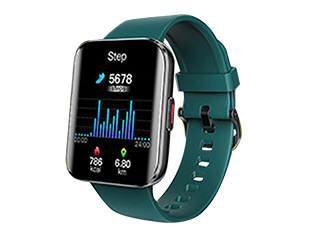
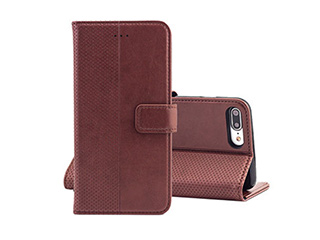
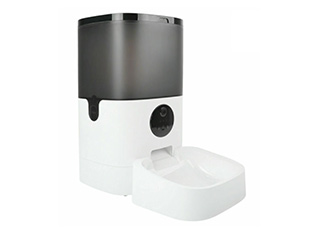
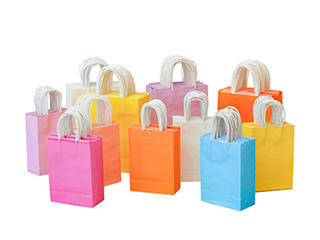
Here are some trending e-commerce products you can source:
Frequently Asked Questions About E-commerce Trends 2023
What e-commerce will look like in 2023?
The e-commerce industry is expected to undergo several significant changes, driven by emerging trends and technological advancements. Key aspects of e-commerce in 2023 will include:
- Increased efficiency of data labeling for machine learning, enabling improved search results and tailored recommendations for a personalized shopping experience.
- The rise of social commerce, with platforms like TikTok becoming crucial for brands to reach out to younger audiences.
- Greater emphasis on omnichannel capabilities, allowing businesses to communicate with customers through multiple channels and enhancing the online shopping experience.
- Mobile shopping acceleration, with consumers increasingly using mobile browsers and apps to interact with features such as livestream shopping, augmented reality, and in-app purchases.
- Video shopping and new payment options will become more popular, catering to the changing preferences of online shoppers.
What are the online trends for 2023?
In 2023, online shopping trends include:
- Dominance of social media in driving sales and brand engagement
- Rise of online grocery shopping, gaining momentum across various platforms
- Acceleration of e-commerce sales in different product categories, as more consumers turn to online shopping
- Retailers adapting to e-commerce and becoming more agile to meet consumer demands
- Ethical concerns playing a role in online shopping, with millennials and Gen Zers valuing companies that take meaningful action on social issues
- Growth of niche Direct-to-Consumer (DTC) products, catering to specific consumer needs
- Focus on well-being products, as consumers prioritize health and wellness
- Chatbots and AI becoming essential for customer service and personalized shopping experiences
- Voice searches gaining importance, as more consumers use voice-activated devices for online shopping
- Increased popularity of shoppable videos, allowing consumers to purchase products directly from video content
- Expansion of payment methods, offering more flexibility and convenience for online shoppers
- Mobile shopping continuing to rise, with more consumers using smartphones for online purchases
- Live-streaming commerce gaining popularity, as brands produce online content to engage and convert viewers into customers
What consumers are looking for in 2023?
Consumers look for various features and experiences while making purchasing decisions. Some key trends include:
- Flexible payment options: With the steady growth of online and non-store sales, consumers expect convenient and flexible payment options such as Buy Now Pay Later and Buy Online Pickup In-Store.
- Personalized service: Shoppers value personalized customer service, fast and detailed delivery, as well as easy and free returns.
- Authentic automation: While digitization plays a significant role in purchase processes, consumers expect seamless integration of technology in their shopping experiences.
- Responsible and emotional spending: Consumers are becoming more eco-conscious and are looking for products that align with their values, while also providing an emotional connection.
- Disruptive Gen Z: This generation has unique preferences and demands, including a strong push for female equality, which retailers need to consider.
- Selective screen time: People are becoming more selective about their screen time, choosing content and experiences that truly spark joy and add value to their lives.
- Gaming culture: Entertainment experiences inspired by game culture are gaining popularity, providing opportunities for brands to engage with consumers in new ways.
What are the shopping trends for 2023?
- Personalized shopping experiences: This trend will become the norm as retailers leverage data and AI to tailor product recommendations, offers, and promotions based on individual preferences, browsing history, and purchase patterns.
- Voice-assisted shopping: Powered by AI, this trend will gain momentum as more consumers adopt smart speakers and voice-activated devices.
- Augmented Reality (AR) and Virtual Reality (VR): These technologies will continue to transform shopping experience in 2023. Retailers will use them to create immersive and interactive experiences, allowing customers to virtually try on clothes, preview furniture in their homes, or explore store layouts before visiting physical locations.
- Sustainable and ethical shopping: Consumer awareness and demand for sustainable and ethically sourced products will continue to grow in 2023. Retailers will increasingly focus on offering eco-friendly products, transparent supply chains, and ethically produced items to cater to these evolving consumer preferences.
- Subscription-based shopping: As more consumers seek convenience and curated selections, subscription-based shopping models will rise in 2023 and will extend beyond traditional subscription boxes to include product subscriptions, rental services, and membership programs across various categories.
- Contactless and mobile payments: The adoption of contactless and mobile payment options will accelerate in 2023, driven by concerns over hygiene and convenience. Retailers will continue to invest in payment technologies that offer seamless, secure, and speedy transactions, such as digital wallets, biometric authentication, and QR code payments.
- Local and community-based shopping: Fueled by the desire to reduce carbon footprints, contribute to local economies, access unique and artisanal products, consumers will increasingly prioritize supporting local businesses and community-based retailers.
- Online-to-Offline (O2O) shopping experiences: This is a significant trend in 2023 as retailers create seamless shopping journeys by merging digital and physical touchpoints, such as using mobile apps to navigate store layouts, access personalized offers, or arrange click-and-collect purchases.
- Smart stores and automation: Advanced technologies, such as AI, IoT, and robotics, will continue to reshape physical retail spaces. These "smart stores" will feature automated inventory management, cashier-less checkouts and interactive displays for more efficient and engaging shopping experiences.
- Livestream shopping and influencer marketing: This trend will remain popular in 2023, as consumers look for authentic product reviews and demonstrations before making purchasing decisions.
Source the latest products from verified suppliers via global sourcing platform, and subscribe to our magazines for more in-depth insights and product discovery.
Join the Smart China Sourcing Facebook Group
- Connect with other buyers
- Ask questions
- Get advice from experts
The Related News
![]()
![]()
![]()
![]()
Serger vs Sewing Machine: Key Difference
2023/09/08