Sourcing B2B na ponta dos dedos
- Descrição geral
- Detalhes
- Recomendado

Image
1/8
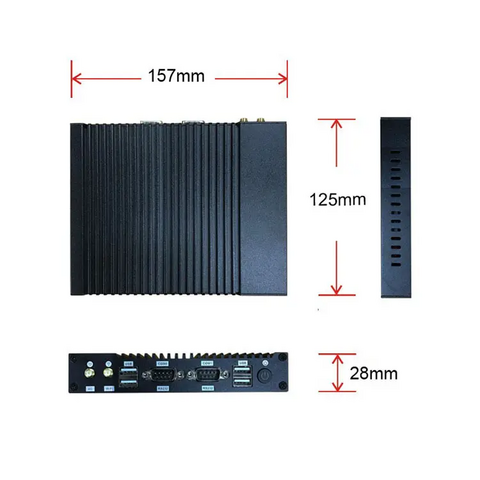
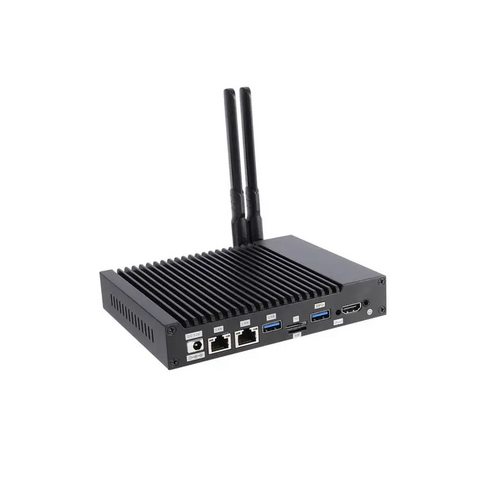
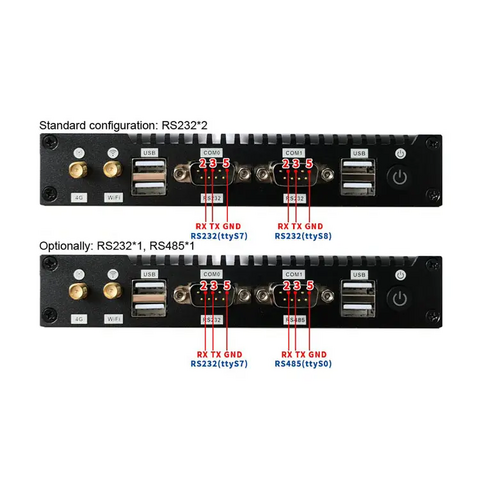
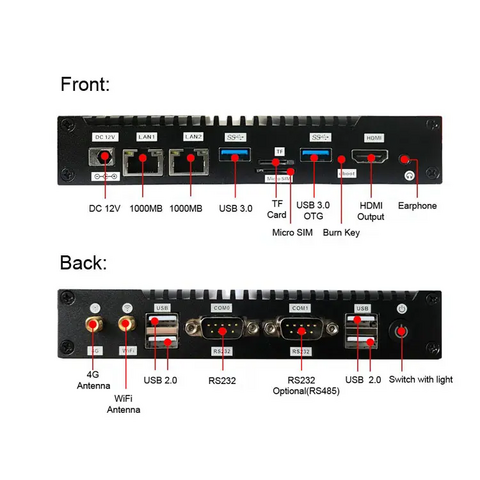
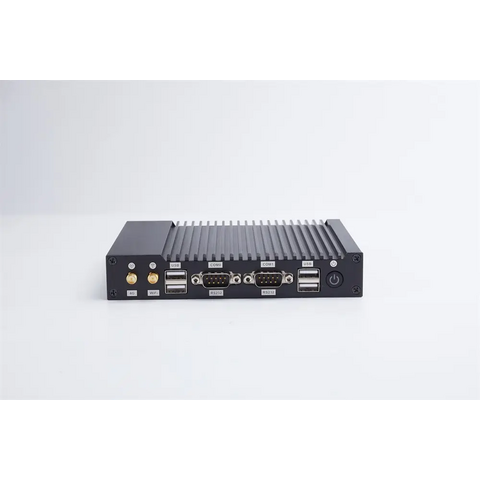
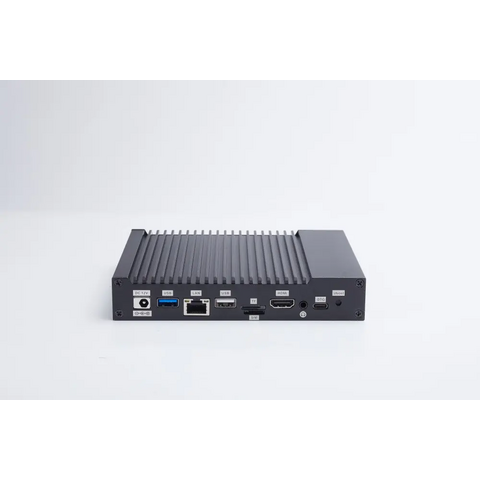
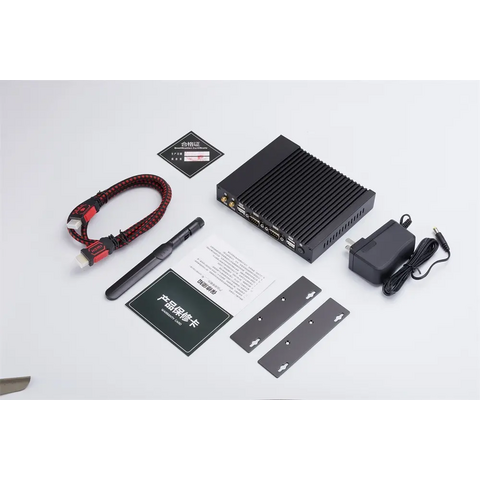
Computadores Embutidos Robustos – Sistemas Industriais Sem Ventoinha para Computação de Borda de Alto Desempenho, Gateway IoT Durável
- US$ 140 - 160
- Encomenda mínima:1 Caixa
Atributos do produto
Tipo de Display:
Tubo de raios catódicos, LCD, LED, OLED, Tela sensível ao toque
Processador:
AMD, Intel, VIA
Característica:
Sem monitor
Tempo de espera: 5 – 7 Dias
Tipo de atividade: Exportador, Importador, Fabricante, Vendedor on-line, Varejista, Empresa comercial, Atacadista
Expomos os nossos produtos nas 7 Global Sources Trade Shows
Ver maisHigh
Taxa de resposta
> 72 h
Tempo de resposta
250 a 299
Funcionários
Visitar loja
Seguir
Política de amostras
Oferecemos amostras grátis, com frete e impostos pagos pelo comprador
Informações sobre o produto
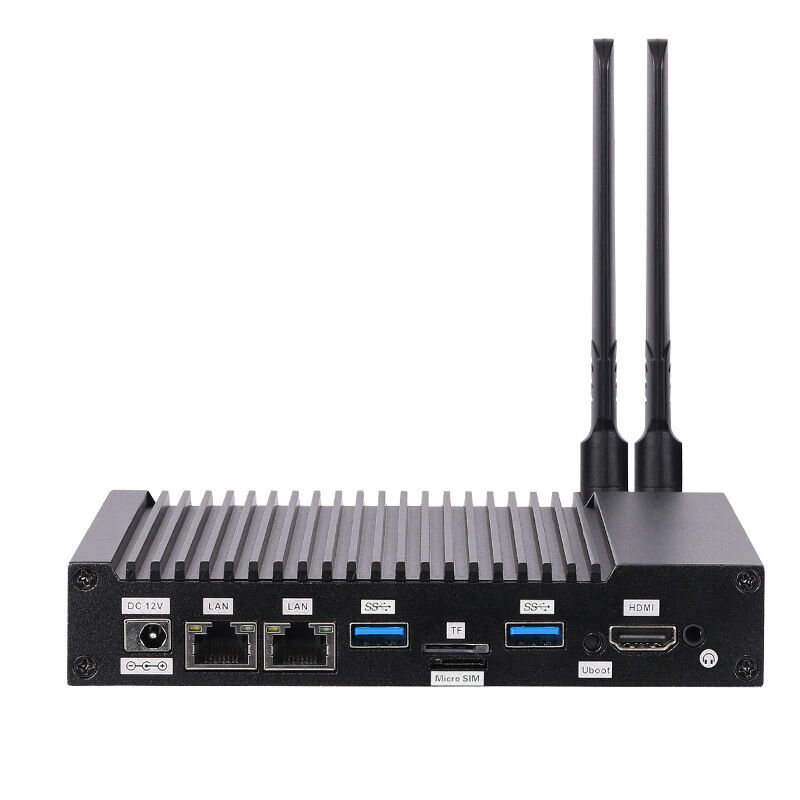
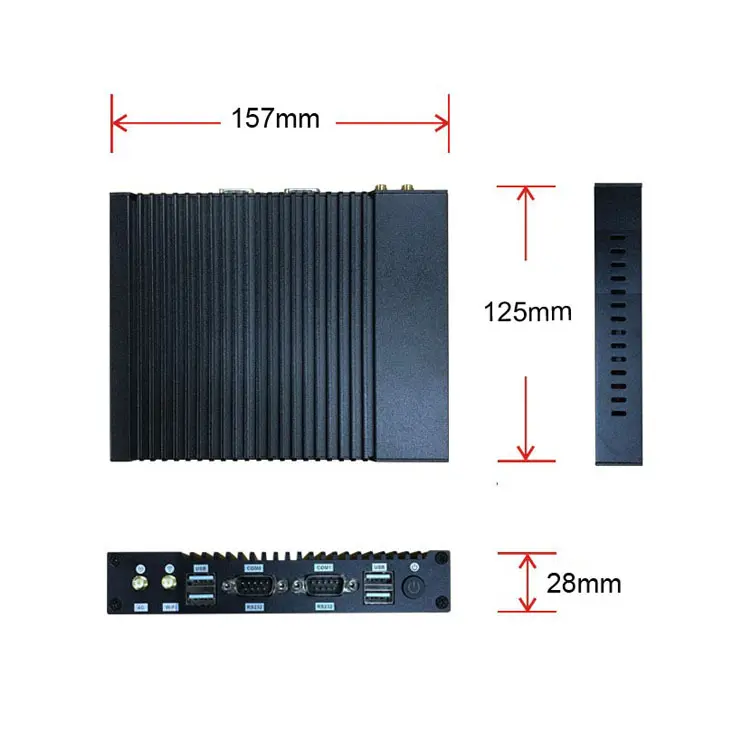
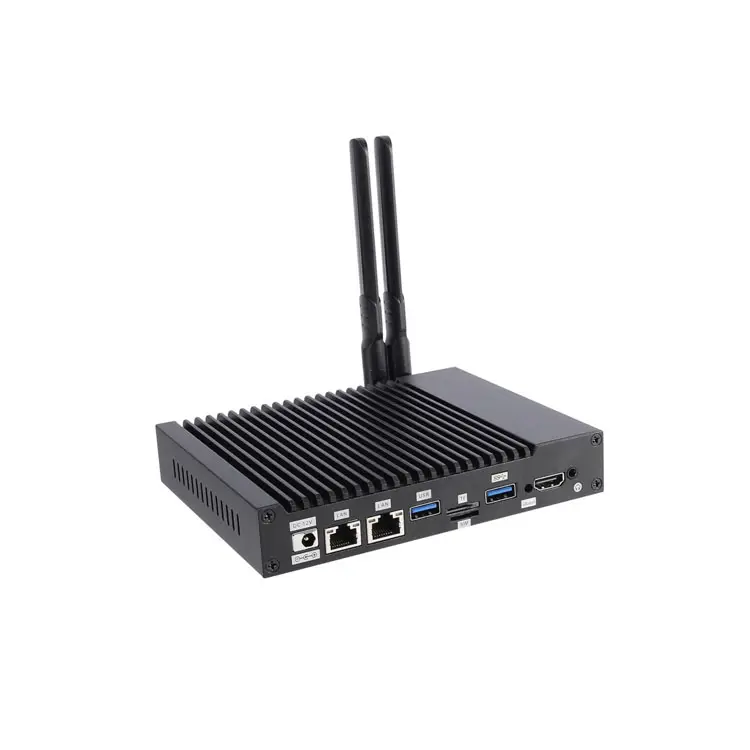
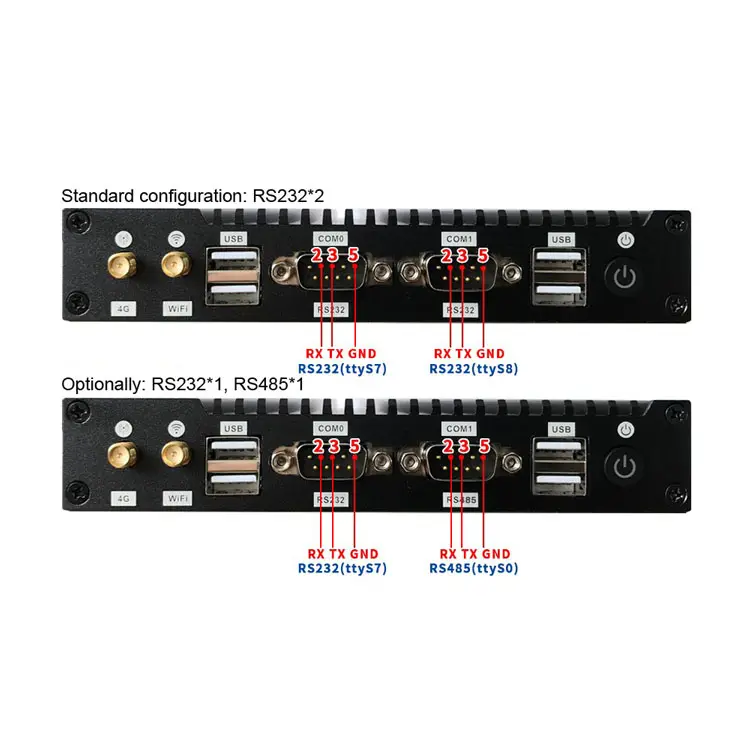
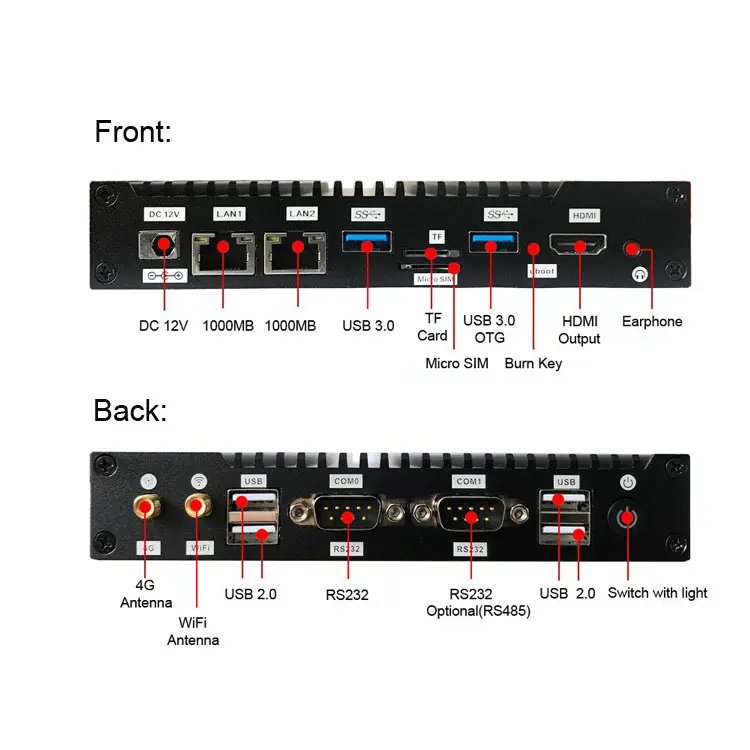
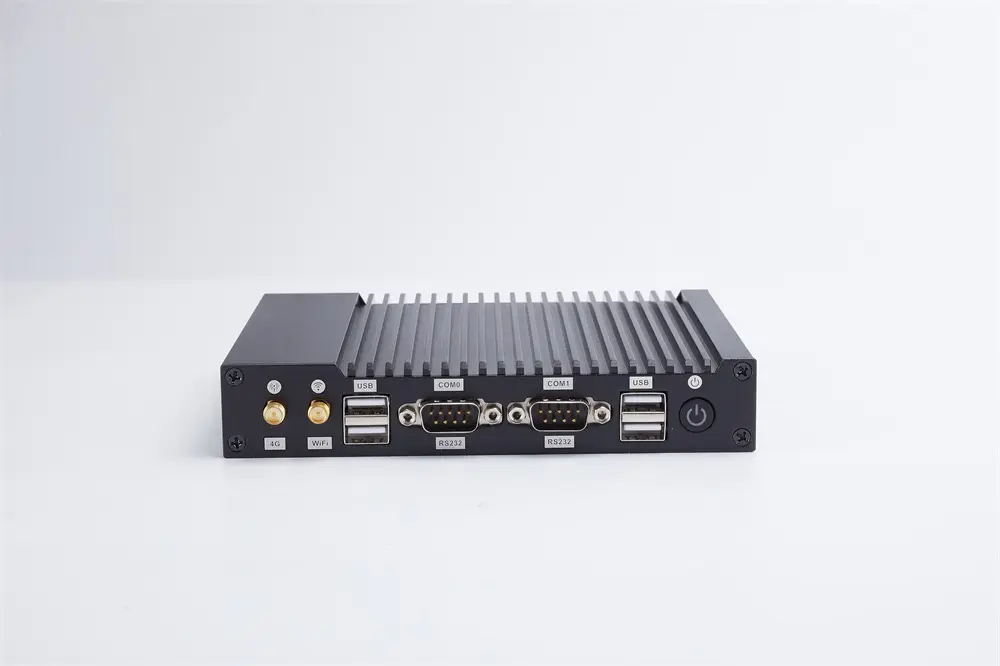
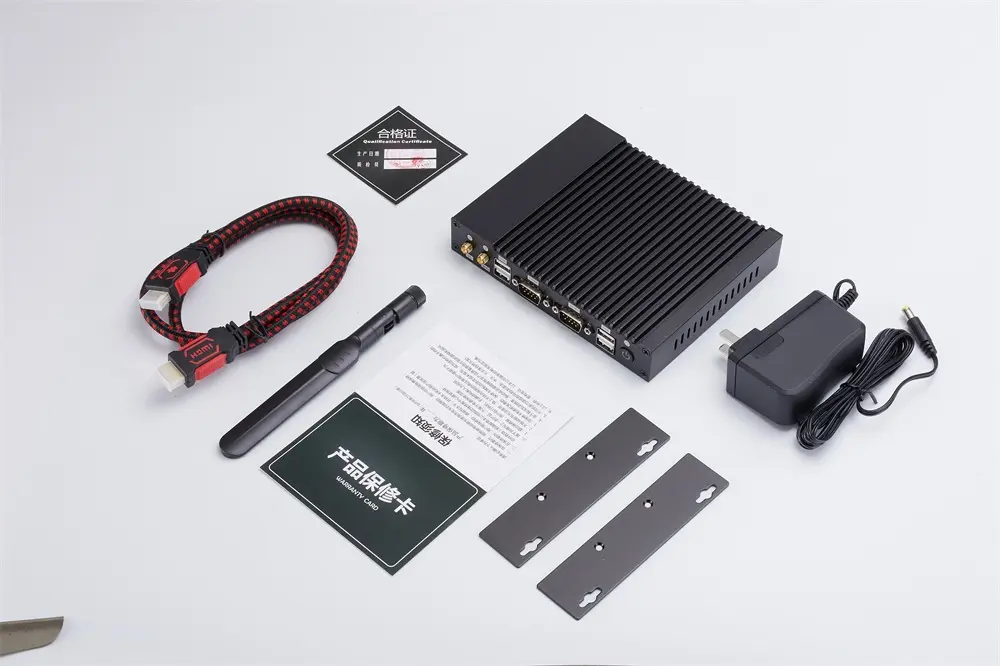
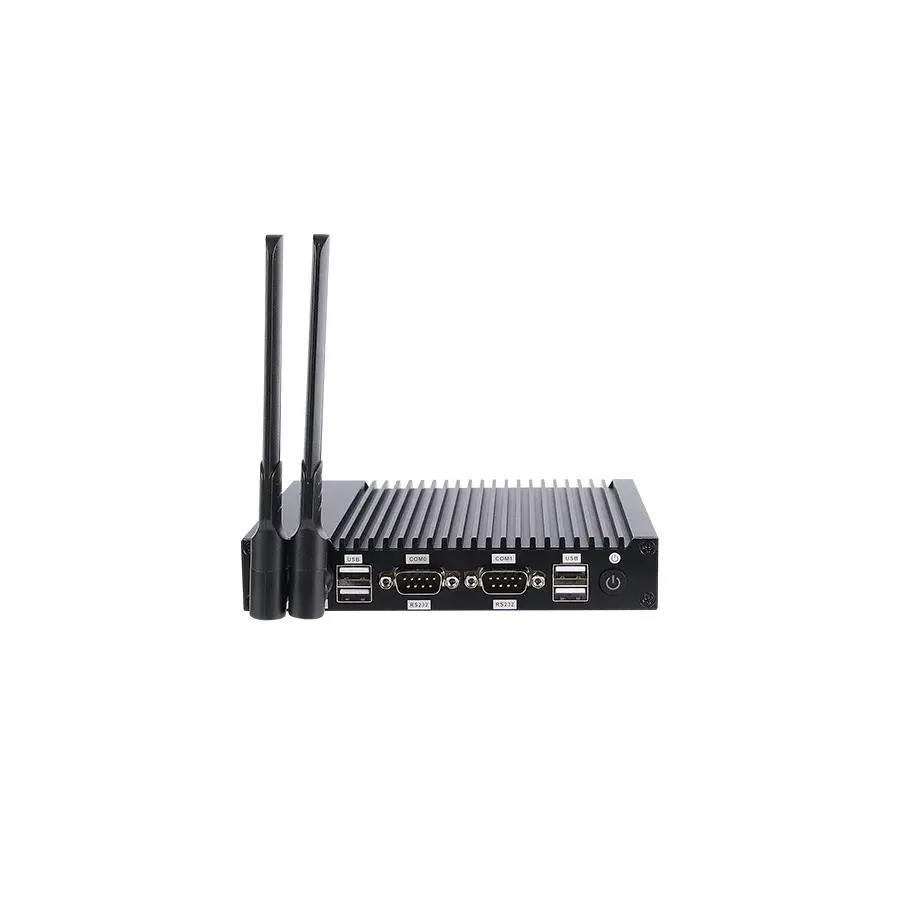
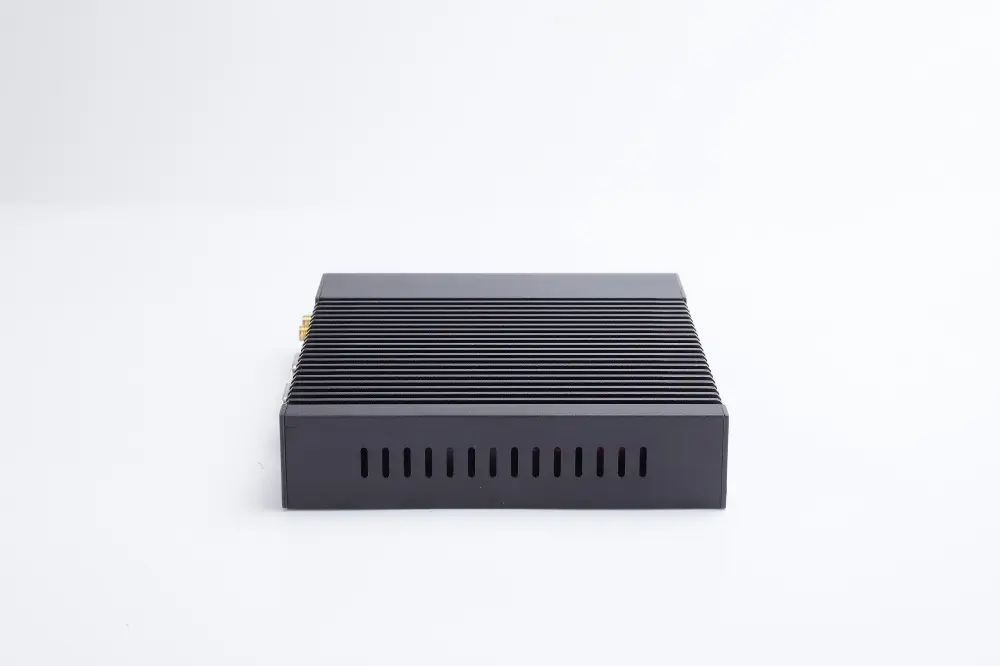
Rugged Embedded Computers: Industrial-Grade, Fanless Systems for High-Performance Edge Computing and IoT Gateways in Harsh Environments
As modern technology continues to evolve, industries are increasingly relying on Rugged Embedded Computers to manage complex operations in challenging environments. These industrial-grade, fanless systems are built for high-performance edge computing and serve as durable IoT gateways, providing seamless and reliable processing power even in the most demanding conditions. Whether used in manufacturing, transportation, energy, or military applications, rugged embedded computers offer the perfect combination of durability, performance, and flexibility to meet the unique needs of industrial and mission-critical settings.
Designed for Harsh Environments
The standout feature of rugged embedded computers is their ability to operate flawlessly in extreme environments. Built to withstand exposure to dust, dirt, moisture, vibration, and temperature fluctuations, these systems are designed to function in situations where traditional computers would fail. Whether you’re working in a factory with high levels of particulate matter, an outdoor environment with fluctuating temperatures, or a mobile setting with constant movement, these computers are engineered to resist physical damage and maintain peak performance.
Wide temperature range support is a hallmark of rugged embedded systems. Many models are designed to operate in environments as cold as -40°C and as hot as 85°C, ensuring that they perform consistently in even the most extreme conditions. This temperature resistance, along with features like shock and vibration absorption, makes these systems ideal for industries like transportation, military, and oil and gas exploration, where rugged and reliable performance is critical.
Fanless Design for Reliable and Quiet Operation
Unlike traditional computers that rely on fans to cool their internal components, rugged embedded computers are typically fanless, relying instead on passive cooling methods like heat sinks and efficient thermal design. This fanless architecture reduces the risk of dust and debris accumulating inside the system, which can often lead to overheating and hardware failure in standard computers.
Without moving parts, these fanless systems are also significantly more reliable and require less maintenance over time. The absence of fans reduces noise, making these computers ideal for environments that require quiet operation, such as medical facilities, libraries, or monitoring centers. Moreover, fanless designs minimize the likelihood of mechanical failures, extending the lifespan of the system and ensuring that it performs optimally under prolonged use.
High-Performance Edge Computing
In today’s data-driven world, edge computing has become essential for industries that need to process vast amounts of data locally, without relying on cloud servers. Rugged embedded computers are equipped to handle real-time processing, providing the computational power required for industrial automation, artificial intelligence, and machine learning applications right at the edge. By processing data closer to its source, these computers reduce latency, enabling faster decision-making and more efficient system performance.
Many rugged embedded systems come with multi-core processors, offering powerful computing capabilities while consuming minimal energy. These computers support high-performance tasks such as data acquisition, image processing, and machine control, making them indispensable for sectors like robotics, autonomous vehicles, and surveillance systems. Whether used in a factory setting to monitor and control equipment or in remote locations for IoT-enabled devices, these systems can handle large-scale data processing while maintaining energy efficiency.
IoT Gateway for Seamless Connectivity
The rise of the Internet of Things (IoT) has revolutionized industries by enabling devices to communicate and share data across vast networks. Rugged embedded computers play a critical role as IoT gateways, serving as the bridge between sensors, devices, and the cloud. These systems are capable of managing vast arrays of connected devices, gathering and processing data from multiple sources in real time and sending it to central systems for analysis.
Built-in connectivity options such as Ethernet, Wi-Fi, Bluetooth, and cellular networks allow rugged embedded computers to stay connected even in remote or challenging environments. Some models also support 4G/5G networks, enhancing their ability to maintain reliable communication in remote locations or during mobile operations. Whether used in smart cities for traffic management, in agriculture for precision farming, or in industrial automation for real-time machine control, rugged embedded systems facilitate seamless, uninterrupted connectivity between devices.
Expandable and Customizable
Rugged embedded computers are built for flexibility. Depending on your operational needs, many models are highly customizable, allowing you to expand memory, storage, or add additional I/O ports. With support for PCIe, USB, Serial, and Digital I/O interfaces, these systems can connect to a variety of industrial machines, sensors, and external devices, making them adaptable to nearly any application.
Customization also extends to software, with many systems running on familiar platforms such as Windows, Linux, or real-time operating systems (RTOS). This adaptability allows businesses to easily integrate rugged embedded computers into existing networks, leveraging custom software applications to enhance functionality. Whether your operations require real-time analytics, machine learning algorithms, or advanced cybersecurity measures, rugged embedded systems can be tailored to meet specific business needs.
Energy Efficient for Remote Locations
When deployed in remote or mobile environments, energy efficiency is a key consideration. Rugged embedded computers are designed to consume minimal power while delivering robust performance, making them ideal for use in off-grid or solar-powered systems. Many models are equipped with low-power processors that maintain high performance without draining energy resources, allowing them to operate in remote areas where power is limited or unreliable.
Additionally, these systems can often run on DC power inputs, making them compatible with a wide range of power sources, including vehicle batteries and industrial machinery. This flexibility ensures that they can be deployed virtually anywhere, from remote oil rigs to rugged military vehicles, without the need for constant access to traditional power grids.
Long-Term Reliability and Low Maintenance
One of the key benefits of rugged embedded computers is their longevity. Built to operate for extended periods with minimal maintenance, these systems are ideal for mission-critical applications where downtime is not an option. The use of industrial-grade components ensures durability, while the fanless design reduces the likelihood of hardware failure due to dust, debris, or overheating.
Their extended lifecycle makes rugged embedded computers a cost-effective solution, as they require fewer repairs and replacements over time compared to consumer-grade devices. For industries where continuous uptime is critical—such as in transportation, energy, and public safety—this reliability translates into significant savings and operational efficiency.
Conclusion
Rugged embedded computers are the backbone of modern industrial operations, providing high-performance computing, durable construction, and seamless connectivity for harsh environments. From their fanless design to their role in edge computing and IoT gateway solutions, these systems are tailored for industries that demand reliability, versatility, and longevity. Whether used in manufacturing, defense, or remote data processing, rugged embedded computers are the key to ensuring consistent performance and operational efficiency in the toughest conditions.
Informações de envio
- Porta FOB: China (continente)
- Tempo de espera: 5–7 Dias
- Peso p/unidade: 1.0 Quilogramas
- Dimensões p/unidade: 29.0 x 17.0 x 19.0 Centímetros
- Código HTS US: 2.2.2 2
- Unidades p/caixa exportação: 1.0
- Dimensões caixa exportação: 29.0 x 17.0 x 19.0 Centímetros
- Peso caixa exportação: 0.5 Quilogramas
Mercados de exportação principais
- - Ásia
- - Australásia
- - América Central/Sul
- - Europa Oriental
- - Oriente Médio/África
- - América do Norte
- - Europa Ocidental
Mais deste fornecedor
-
 Placa de Desenvolvimento Versátil - Plataforma de Microcontroladores para Prototipagem, Sistemas Embarcados, Desenvolvimento de IoT e Projetos DIYUS$ 34.80 - 36.501 Caixas (QME)
 - Computador Embutido de Alto Desempenho para Computação em Tempo Real: Microcontrolador Avançado para Aplicações IoT e Automação IndustrialUS$ 525.00 - 650.001 Caixas (QME)
- Placa Mãe Industrial Embutida Compacta - Design Robusto para Longevidade e Confiabilidade em Ambientes HostisUS$ 99.00 - 999.001 Caixas (QME)
- Placa Mãe Industrial Embutida Robusta com Design Sem Ventoinha e Integração IoT para Desempenho Confiável em Ambientes HostisUS$ 99.00 - 199.001 Caixas (QME)
- Mini PCs Industriais: Design Robusto para Computação Embutida e Soluções IoT – Sistemas Compactos, Duráveis e de Alto DesempenhoUS$ 139.00 - 189.001 Caixas (QME)
- Mini PC Box Industrial Embutido Robusto Sem Ventoinha para Automação Compacta | Solução de Computação de Borda Silenciosa e de Baixo ConsumoUS$ 299.00 - 357.001 Caixas (QME)
- PC Industrial - Computador Robusto, Design sem Ventoinha, Sistema Embutido, Estação de Trabalho Durável para Ambientes Hostis e Alto DesempenhoUS$ 290.00 - 330.001 Caixas (QME)
- Mini PC Industrial - Computador Compacto Robusto Embutido sem Ventoinha | Mini PC de Alto Desempenho para Edge Computing e Ambientes HostisUS$ 248.00 - 263.001 Caixas (QME)
- Mini PC Industrial Robusto com Design Sem Ventoinha para Computação de Borda Confiável – Desempenho Compacto para Ambientes HostisUS$ 306.00 - 325.001 Caixas (QME)
- PC Industrial Embutido Robusto com Design Sem Ventoinha para Processamento em Tempo Real em Aplicações de Automação IndustrialUS$ 393.70 - 403.701 Caixas (QME)
- Mini PC Industrial – Design Compacto Sem Ventoinha para Desempenho Robusto, Sistema de Eficiência Energética Ideal para Ambientes HostisUS$ 158.36 - 195.471 Caixas (QME)
- Mini-Computador Industrial Android Linux Robusto de Alto Desempenho: Ideal para Sistemas EmbarcadosUS$ 150.00 - 300.001 Caixas (QME)
Produtos relacionados de outros fornecedores
- Painel PC Industrial Touchscreen Integrado de 15,6" Polegadas Widescreen, Computador Integrado, Processador J4125, PC Integrado Sem VentoinhaUS$ 298.0020 Peças (QME)
- Host de Gerenciamento de Transmissão IP - IP-6008-i5-6US$ 990.00 - 991.0020 Unidades (QME)
- Orange Pi R1 H2+ 256MB Quad Core Cortex-A7 placa de desenvolvimento similar a Raspberry PiUS$ 15.80 - 16.501 Peças (QME)
- Serviços de teste e certificação de computadores de placa única / Inspeção de produtos, controle de qualidade, auditoria de fábrica, testes de laboratórioUS$ 220.00 - 260.001 Conjuntos (QME)
- Melhor Preço Nvida Original 8GB 34Tops 67Tops Jetson Orin Nano Super Kit De DesenvolvedorUS$ 249.00 - 289.001 Peças (QME)
- Computadores Embutidos Fanless Core i7/i5/i3 Robusto com Porta Ethernet Dupla, 24 VDC, USB 3.0 Tipo-C para aplicações militares, marítimas e veicularesUS$ 180.00 - 300.0010 Peças (QME)
- Placa-mãe T2T original nova e usada, placa de controle T2T, placa de controle A10, placa de controle A11US$ 65.00 - 73.001 Peças (QME)
- Compact single board mini computador unidadesUS$ 28.001000 Peças (QME)
- Placa Mãe Industrial X86 Embarcada de 3,5 Polegadas de Alto Desempenho com CPU Intel Core i3 de 11ª Geração, Dual LAN, Múltiplas Portas COMUS$ 128.00 - 164.001 Peças (QME)